
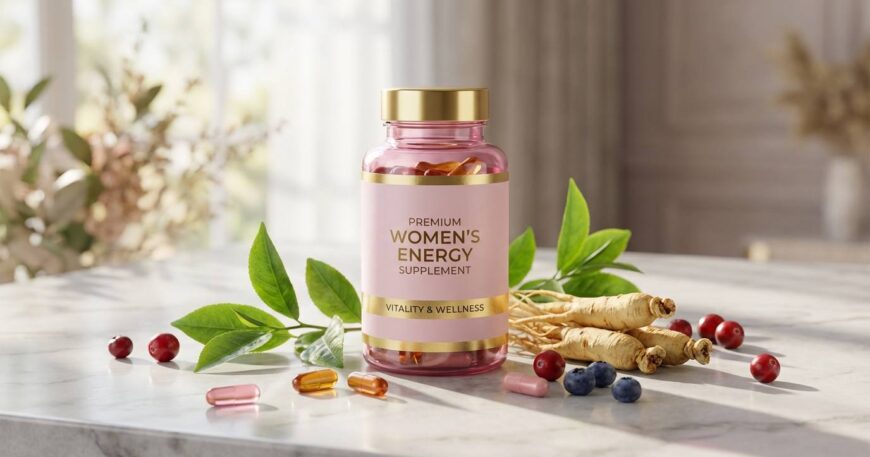
Understanding the Different Kinds of Women’s Energy Supplements

Women’s energy supplements are products formulated to help boost energy levels and combat fatigue. These include vitamins and minerals (like B vitamins, vitamin D, vitamin C, magnesium, and zinc), minerals (especially iron, which many women need), herbal adaptogens (such as ginseng, ashwagandha, and rhodiola), and other nutrients (like CoQ10 or caffeine-based herbs). In short, they are designed to support how your body makes and uses energy. For example, B vitamins help convert food into cellular fuel, and iron carries oxygen in the blood – both are crucial for feeling alert and lively. In this article, we’ll break down the main types of women’s energy supplements, explain how each works, and share simple tips and safety notes so you can choose wisely.
Vitamins & Minerals for Energy
-
B Vitamins (B-complex) – A group of 8 vitamins (B1, B2, B3, B5, B6, B7, B9, B12) that help your body turn food into energy. They also support red blood cell production. Low levels of B vitamins can cause tiredness, weakness, or even anemia (especially B12 or folate). Women who don’t eat much meat (vegans) or older adults may lack B12, so a B-complex supplement can help restore energy if a deficiency is present. Tip: If your doctor finds your B12 level is low (from a simple blood test), supplementing can lift fatigue. If your levels are already normal, extra B vitamins won’t energize you more.
-
Vitamin C – Known for immunity, vitamin C also indirectly boosts energy. It helps your body absorb iron and makes a molecule (carnitine) that helps turn fat into fuel. Without enough C, iron from food or supplements isn’t absorbed well, which can cause anemia and tiredness. Eating fruits and veggies rich in C (or taking a mild C supplement) ensures your iron supplements work better and you stay energetic.
-
Vitamin D – Many women have low vitamin D, especially if they spend little time in sun. Low D can cause muscle fatigue, bone ache, and even mood drop (fatigue is common). If blood tests show a deficiency, a D supplement (often D3) can improve energy and mood. (Only do this under a doctor’s guidance, since excess D is stored and can be toxic.)
-
Magnesium – This mineral plays a role in hundreds of body processes, including making cellular energy. A magnesium deficiency is surprisingly common (e.g. in active women or those eating a lot of processed foods) and often causes muscle cramps, sleep problems, and fatigue. If you’re low on magnesium, supplementing (with a form like magnesium glycinate) may help restore steady energy. Foods high in magnesium include nuts, seeds, beans and whole grains.
-
Zinc – Zinc helps mitochondria (the cell’s “power plants”) function and supports overall metabolism. One small study found that older adults taking a zinc supplement reported significantly less fatigue than those on placebo. Zinc supplements (8–12 mg daily) may help if you’re deficient or under high stress, but most people get enough zinc from a varied diet (nuts, beans, seafood, whole grains).
-
Iron – Iron is critical for women’s energy. It’s the mineral in hemoglobin that carries oxygen in the blood. Low iron means less oxygen to tissues, causing profound tiredness and weakness. Women lose iron during menstruation or pregnancy, so they’re at higher risk of iron-deficiency anemia. If you have heavy periods, are pregnant, vegan, or just chronically tired, ask your doctor to check your iron (ferritin) level. In women with proven iron-deficiency anemia (or even low iron stores without full anemia), iron supplements usually restore energy. (In fact, a clinical trial showed that even non-anemic women with borderline iron stores felt less fatigue after 4 weeks of iron supplementation.) Important: Only take iron if a doctor recommends it. Too much iron can cause nausea, constipation, or worse. Also, take vitamin C or eat citrus fruit with iron supplements – vitamin C boosts iron absorption.
Herbal & Natural Supplements
-
Adaptogenic Herbs (Ashwagandha, Ginseng, Rhodiola) – These herbs are called adaptogens because they may help the body cope with stress. Many women use them for energy and well-being. For example, ashwagandha is an Ayurvedic herb that may reduce stress and improve sleep. Some studies suggest it can indirectly boost energy by lowering anxiety and improving sleep quality. Ginseng (Asian or American) contains compounds called ginsenosides; it is thought to help stamina and reduce fatigue in people with chronic conditions. However, high-quality studies in healthy adults are limited, and benefits seem modest. Rhodiola rosea is another adaptogen sometimes used for endurance; a few trials found it reduced fatigue scores in chronically tired people.
Safety note: These herbs can help stress and energy, but they also can cause side effects. Ginseng and rhodiola may cause insomnia, headaches or stomach upset in some people. Ashwagandha is usually well-tolerated but in rare cases has been linked to liver or thyroid issues. All of these can interact with medications (e.g. blood thinners, blood pressure meds, thyroid meds). Always consult your doctor before trying an herbal supplement, especially if you are on other medicines.
-
Caffeine & Green Tea Extract – Not technically vitamins, but many “energy” pills or women’s formulas include natural caffeine sources like green tea or guarana. Caffeine is a proven stimulant: even small doses (50–200 mg) can make you feel more alert by stimulating your brain and nervous system. It’s effective for short-term energy boosts. However, too much caffeine leads to nervousness, trouble sleeping, heart palpitations, or headaches. The FDA says up to 400 mg/day is generally safe for most adults, but if you’re sensitive (or pregnant), you’ll want to use less. In practice, energy supplements with caffeine are best used carefully (e.g. avoid late in the day) to prevent insomnia or jitters.
-
Coenzyme Q10 (CoQ10) – This is a compound your body makes for energy production in cells. It’s also an antioxidant. Some women (especially those on statins or with heart issues) take CoQ10 for health, but it also may help with energy. A review of 13 clinical trials found that CoQ10 supplementation significantly reduced fatigue in participants, including people with chronic fatigue. It often takes weeks to months of use to see effects. CoQ10 is generally safe with few side effects (maybe mild nausea or diarrhea). If you have chronic low energy and nothing else helps, CoQ10 is one supplement some try after discussing with a doctor.
-
Creatine – Better known in the fitness world, creatine helps muscle cells store and use quick energy (useful during high-intensity exercise). For most everyday fatigue, creatine isn’t necessary. However, studies show creatine can improve performance and reduce tiredness during intense activity. If your energy drain comes from hard workouts, a creatine supplement (3–5 g/day) might help your muscles feel less exhausted. It’s one of the most studied supplements and is considered safe for healthy people.
-
L-theanine – This is an amino acid found in tea leaves. On its own, L-theanine is calming; in many supplements it is combined with caffeine. This combo can promote alertness without the edge of caffeine jitters. A systematic review found that L-theanine plus caffeine safely improves alertness and focus. Some women’s energy supplements include this pairing for a gentle lift. On its own, L-theanine is mild (and safe), but the caffeine with it is what gives the energy boost.
Safety, Dosage & Tips
-
Talk to Your Doctor First. Always check with a healthcare provider before starting any new supplement, especially if you’re on medications or have health issues. They can test for nutrient deficiencies (like iron or vitamin D) and suggest the right supplement and dose. For example, your doctor might find you’re low in iron and recommend an iron pill, rather than you just guessing and taking it yourself.
-
Start Low and One at a Time. If trying a supplement, start with a low dose and take it with food to reduce stomach upset. Use bullet-list style steps:
- One at a time: Don’t start multiple new supplements at once. Try one change, wait 3–4 days, and see how you feel.
- Watch for side effects: Common side effects include stomach upset (iron or caffeine), nausea (CoQ10, herbs), or sleep changes. If you notice problems, stop that supplement and talk to a doctor.
- Take as directed: Follow the label’s recommended dosage. More is not always better (especially iron or D, which can be toxic in high doses).
-
Combine with Diet and Lifestyle: No supplement can replace sleep, a balanced diet, and exercise. The best “energy booster” is a healthy lifestyle. That means 7–9 hours of sleep, regular exercise, stress management, and a diet rich in whole foods (fruits, vegetables, whole grains, lean protein). Supplements should support this foundation. For example, you’ll get more energy by eating iron-rich foods (spinach, beans, meat) and vitamin C (citrus fruits) together than by popping a pill alone.
-
Check Labels and Quality: Look for reputable brands that use third-party testing seals (USP, NSF) if possible. Some women’s supplements are specially formulated with extra B-vitamins or herbs, but brand quality matters. Avoid proprietary blends that don’t list amounts of key ingredients.
-
Special Note for Women: Women’s bodies have unique needs. Due to menstrual blood loss and pregnancy, women often need extra iron and folate. Many women’s formulas add these nutrients or point out “women’s energy blend” on the label. Also, during perimenopause, hormonal changes can sap energy. Some women find adaptogens or supplements like maca (not covered here) helpful for balancing that (though always check safety in those cases).
Conclusion
In summary, “women’s energy supplements” span a variety of products. Vitamins (especially B12, B6, D, C) and minerals (iron, magnesium, zinc) are foundational – they only boost energy if you’re low in them. Herbal/adaptogenic supplements (like ginseng, ashwagandha, rhodiola) may help ease stress and fatigue, but they work best as part of a healthy routine and should be used carefully. Other nutrients like CoQ10 or even caffeine combinations can give a lift, but again they’re no substitute for sleep and good nutrition.
Before trying any supplement for energy, check with your healthcare provider. They can test for deficiencies and advise on safe dosages. Remember that improving lifestyle habits (balanced diet, good sleep, regular exercise) is the most reliable way to feel more energetic. Supplements can fill gaps or give occasional boosts, but they work best when you already take care of your health. If fatigue persists despite all this, it’s important to get medical advice – ongoing tiredness can sometimes signal conditions (anemia, thyroid issues, etc.) that need treatment. With the right mix of nutrients and habits, you can support your energy naturally and safely.
