
Why Do My Teeth Hurt when Im Sick? the Real Reasons Behind It

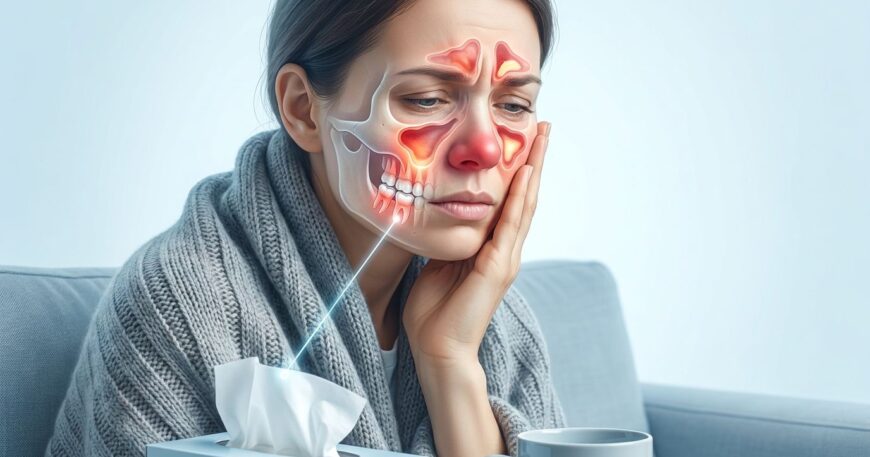
When you get sick with flu or cold, you probably expect headache, blocked nose, maybe body pain. But teeth starting to hurt? That one catches people off guard. The main reason this happens is sinus pressure. Your upper teeth roots are sitting just below your maxillary sinuses, so when those sinuses get filled with mucus and start swelling, they push down on those roots. That pressure is what creates the aching feeling. At Smile Avenue, patients ask us this during flu season more than you would think. And honestly, the reason is almost always the same thing.
The Sinus and Tooth Connection Most People Are Not Aware Of
Most people have no idea that upper back teeth and sinuses are basically sitting next to each other. So when congestion happens and sinuses start swelling, that pressure builds up and goes downward, directly onto the roots of upper teeth.
The confusing part is it feels just like a normal toothache. Heavy, dull aching that spreads across few teeth together, mostly upper molars and premolars on both sides. But actually that spreading across multiple teeth is the sign that tells you this is sinus pain and not a dental problem. When it is a cavity or infection, only one tooth hurts. Sinus pressure does not work like that, it hits a whole section.
Four Reasons Your Teeth Hurt When You Are Sick
Sinus pressure pushing on roots This one is the most common cause. Swollen sinuses press against upper tooth roots, and the brain reads that signal as toothache. The pain usually feels dull and spread out, not sharp and in one place.
Dry mouth from fever and mouth breathing When the nose gets blocked, breathing shifts to mouth. Now add fever and not drinking enough water on top of that, and saliva production goes down quickly. Saliva is what keeps teeth and gums protected, so when it reduces, sensitivity goes up and irritation follows.
Inflammation spreading through the body Sickness puts immune system into high activity. That inflammation does not stay in one place, it travels through head and jaw area too. The ligaments around teeth become more sensitive than their normal state. Even regular chewing can feel uncomfortable during this time.
Medicines for cold and flu Antihistamines and decongestants both have drying effect on mouth. If body is already low on water because of fever, these medicines make the sensitivity situation noticeably more worse.
How To Know If It Is Sinus Pain Or Actual Dental Problem
This part is important because both need very different treatment.
Sinus-related tooth pain usually does these things:
- It hits multiple upper teeth at same time
- Bending forward, walking fast, or going down stairs makes it worse
- It started exactly when congestion and cold started
- Hot or cold drinks do not cause sharp reaction
A dental problem behaves differently:
- Hurts in one specific tooth only
- Can wake you up from sleep
- Gum or jaw area shows some swelling
- Does not get better as illness improves
Things That Actually Give Relief
Water, and more water. Drinking good amount of water makes mucus thinner, brings sinus pressure down, and brings saliva back. Very simple but it actually makes difference.
Saline nasal rinse. Washing sinuses with saltwater spray clears the congestion more quickly than most tablets or syrups. And when congestion reduces, pressure on teeth reduces too.
Warm cloth on cheeks. Take a warm damp cloth and hold it against cheeks for around 10 to 15 minutes. It relaxes the swollen tissue inside and that pressure in teeth starts to feel less.
Decongestant medicine if needed. Something like pseudoephedrine helps bring sinus swelling down. If you are taking other medicines already, check with pharmacist before adding this.
Continue brushing, but softly. Dry and irritated mouth is where bacteria grow fast. Use soft bristle brush and do not press hard. Clean mouth means less inflammation overall.
Humidifier at night. Breathing dry air through whole night makes everything feel worse in morning. Humidifier adds moisture to room air and stops mouth and sinuses from drying completely while sleeping.
When You Should Go To Dentist
Usually tooth pain goes away by itself when illness finishes. But some situations need you to not wait.
Go see dentist when:
- Tooth pain is still there more than 10 days after other sickness symptoms finished
- Face, jaw, or gums have any visible swelling
- Pain is sharp, focused on one tooth, and not reducing
- Fever is not going even after cold symptoms are gone
These signs can mean dental infection. That kind of problem does not fix itself.
Does This Happen With Every Type of Illness?
Not with every illness. Tooth pain mostly comes with sicknesses that cause heavy congestion, like cold, flu, sinus infection, or sometimes strong allergy attack. If it is stomach illness or fever without much nose blockage, chances are teeth will not feel it.
If sinus infections keep coming back again and again for you, and each time teeth also start hurting, then mention this to both doctor and dentist. Sinus problems that stay for long time keep putting pressure on upper teeth repeatedly, and that is not something to keep ignoring.
