
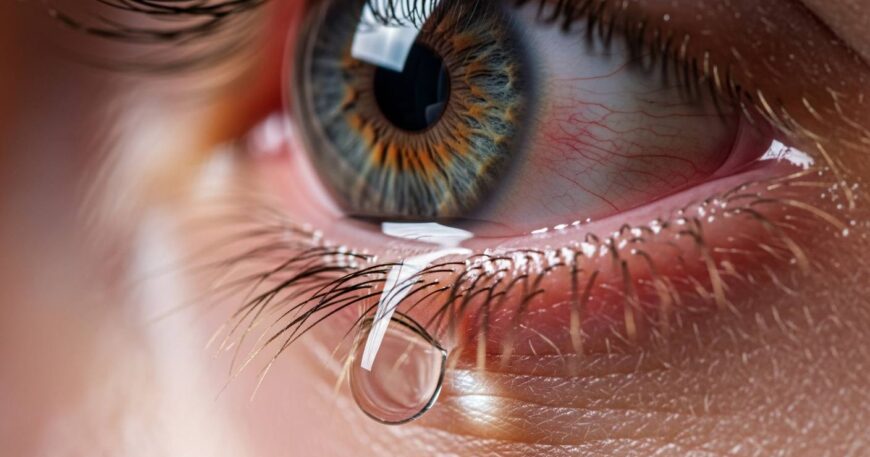
Why Do My Eyes Sting When I Cry?

It might seem strange, but it’s actually common for eyes to burn or sting during tars. When you cry, your tears carry more than just water – they include salt, proteins and even irritants from around you. Reflex tears (triggered by smoke, wind, or chopping onions) are loaded with salt and antibodies to flush out dirt. Emotional tears (from sadness or joy) have extra hormones and chemicals. All that salt and those extra compounds can irritate the surface of your eye, causing a burning sensation. In addition, if you have dry eyes, blepharitis or allergies, crying can feel even more uncomfortable.
Understanding Your Tears
Your eyes are coated by a complex tear film made of three layers – an oily top layer, a watery middle layer, and a mucus layer – that normally keeps the eye smooth and hydrated. If any layer is thin or missing, your eye feels scratchy or dry. You also produce different kinds of tears. Basal tears are the everyday lubricating tears that protect your cornea. Reflex tears flood your eyes when you need to wash out irritants like smoke or dust. These reflex tears contain more salt than normal tears, so they can sting as they flush things away. Emotional tears come with crying from strong feelings; they contain extra proteins, hormones and salt. Because of this unique mix, emotional tears can also feel hot or burning on your eye.
Common Causes of Eye Stinging
-
Environmental irritants: Smoke, dust, wind or even shampoo in your eyes can trigger lots of reflex tears. Those tears are salty and help clear the irritant, but the combination of salt and the irritant itself can burn. For example, being near a campfire or on a blustery day often makes tears sting until the irritant is gone.
-
Sweat and makeup: Sweat is salty. If you cry while sweating, that extra salt on your face can wash into your eyes and sting them. Makeup, lotions or sunscreen running into your eyes can do the same. In both cases, your eyes will tear up reflexively, and that salty mix can burn as it washes the products away.
-
Dry or imbalanced tear film: Dry eye syndrome means your eyes aren’t making enough quality tears. Ironically, very dry eyes can trigger more tearing when you cry, but those tears evaporate too fast and leave salt behind. The result is a scratchy, burning feeling – crying can actually make it worse because the new tears can’t protect a dry eye surface.
-
Blepharitis (eyelid inflammation): If your eyelids or lash-line oil glands are inflamed or clogged, you lose some of the oily tear layer. Without that oil, tears evaporate rapidly and your eyes stay irritated. In this case even normal tears (or emotional tears) will sting more than usual.
-
Allergies: Allergens like pollen, pet dander or dust mites make eyes red, watery and itchy. Crying while your eyes are irritated by allergies can ramp up the burning sensation. Often allergy eyes come with sneezing or a runny nose too. When tears mix with allergy-triggered inflammation, you feel the sting more.

If your eyes are burning after tears, you can often soothe them with simple home care. First, rinse your eyes gently with cool, clean water or a saline solution to wash away salt and any irritants. Over-the-counter artificial tears (lubricating drops) are very helpful – they add moisture and help dilute excess salt on the eye surface. You can also use a warm compress: place a warm, damp cloth over closed eyes for a few minutes to relax and reopen clogged oil glands (good for dry or blepharitis-prone eyes). A cool compress (cool damp cloth) can reduce burning from allergies or irritants. Here are some other tips:
-
Don’t rub your eyes. It’s tempting, but rubbing only makes irritation worse.
-
Take screen breaks. Every 20 minutes or so, look away from screens or books, blink often, and give your eyes a rest. This helps prevent dry-eye strain.
-
Stay hydrated. Drink plenty of water. Good hydration helps your body make balanced tears instead of overly salty ones.
-
Avoid known irritants. Stay out of smoky rooms, windy dust storms or pools with lots of chlorine. If you wear eye makeup, remove it gently and switch to hypoallergenic products if you notice irritation.
-
Use allergy medicine if needed. If allergies are the cause, allergy eye drops or oral antihistamines (as recommended by a doctor) can keep the inflammation down so tears aren’t as irritating.
When to See a Doctor
A little sting during crying is usually harmless and goes away. But if the burning is severe, doesn’t improve with home care, or happens every time you cry, it’s wise to consult an eye doctor. Also seek help if you notice persistent redness, discharge, blurred vision or intense pain with the burning. These could signal conditions like serious dry-eye syndrome, an infection (like conjunctivitis) or inflammation that need medical treatment. In summary, tears stinging your eyes is often just a temporary reaction to salt and irritants, and simple remedies can help. But for ongoing discomfort, a professional eye exam can identify any underlying cause and get you relief.
