
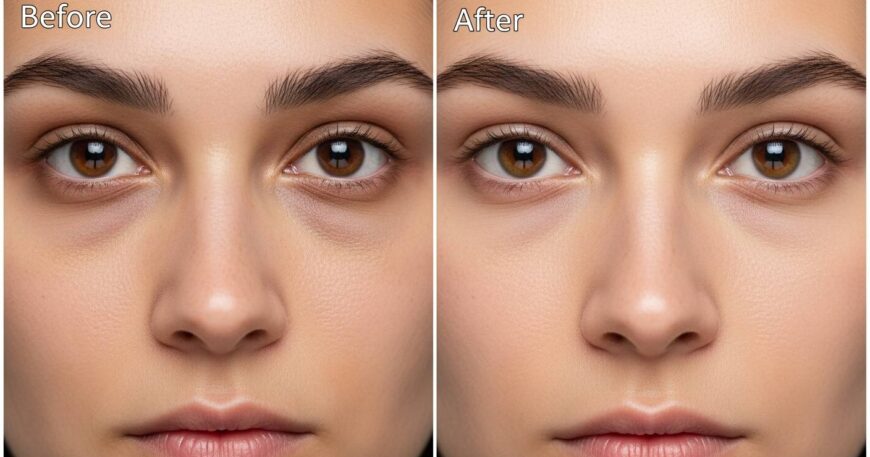
Under Eye Filler Before and After: What to Expect

Under-eye filler treatments can produce a dramatic transformation from tired, hollow eyes to a smoother, more youthful look. The procedure is quick and typically done in about 20–30 minutes with minimal downtime, often allowing you to return to daily activities immediately. You will usually see improvement right away, with final results settling over about 1–2 weeks. The effects typically last for about 9–18 months before gradually fading.
What Is Under-Eye Filler?
Tear trough (under-eye) filler is a non-surgical injection that uses hyaluronic acid (HA) to add volume under the eyes. As we age or due to genetics, the fat pads under the eyes can shrink or shift, creating hollows and shadows. Injecting HA plumps these areas and binds water, instantly lifting and smoothing the under-eye contour. This restores lost volume and hydration to the delicate under-eye skin, creating a brighter, more youthful look. For example, common fillers like Restylane and Juvederm are formulated to be soft and flexible, creating a natural, refreshed appearance.
Common Concerns Before Treatment
Many people seek under-eye filler to address:
-
Tear trough hollows: Deep grooves under the eyes that cast shadows and make you look tired.
-
Dark circles: Discoloration or shading under the eyes, often due to hollows or pigmentation.
-
Eye bags/puffiness: Bulges of fat or fluid under the eyes; filling the hollows can sometimes make these appear less pronounced.
-
Fine lines: Wrinkles or crepey skin around the eyes caused by volume loss.
Under-eye fillers target these issues by replacing lost volume, creating a smooth, seamless transition from eyelid to cheek. Keep in mind, fillers are best suited for mild to moderate hollows. Moorfields notes that significant under-eye fat bulges or loose skin may be more effectively treated with surgery (blepharoplasty) for a permanent fix.
Typical Results After Filler
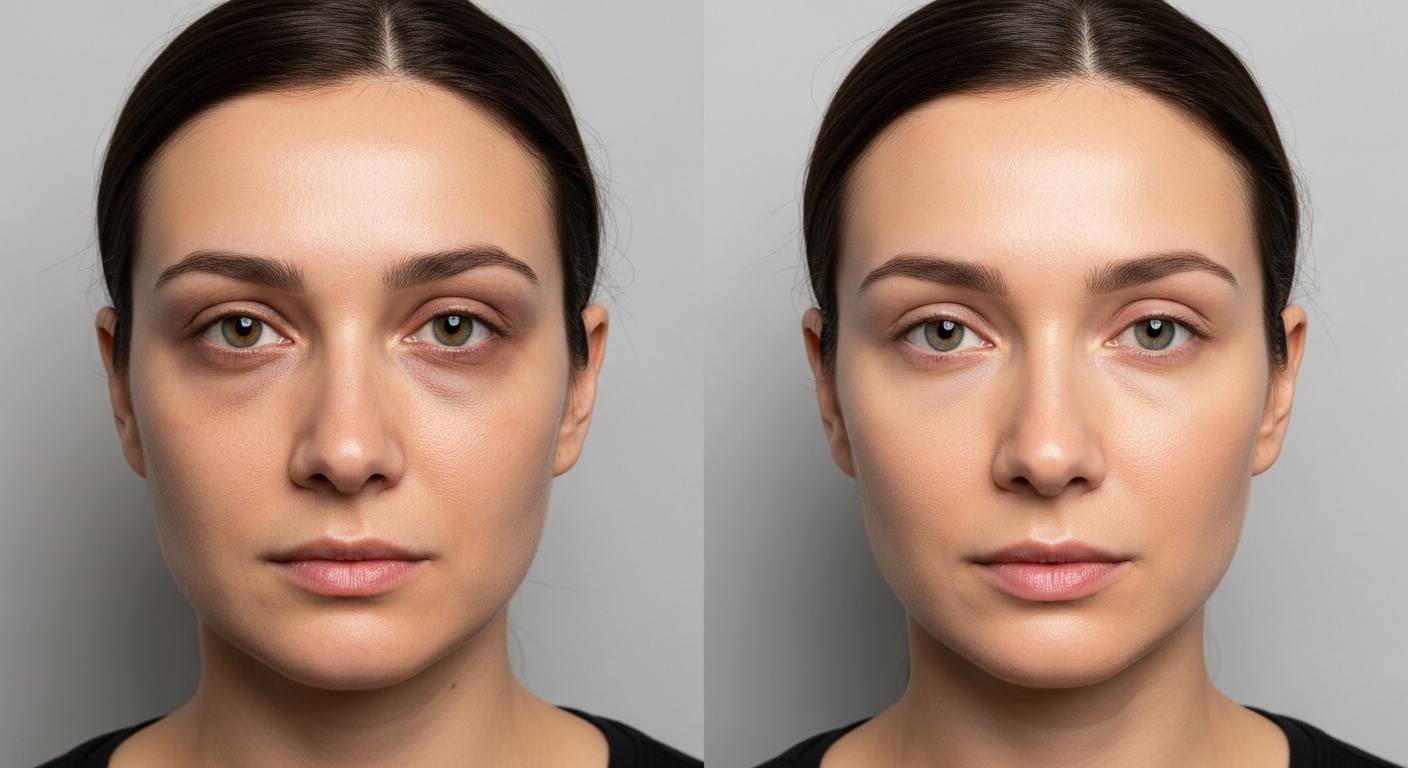
After a successful treatment, the under-eye area looks visibly smoother and more rested. Key improvements include:
-
Smoother contour: The hollow under the eye is filled, making the lower lid–cheek line gentle and even.
-
Brighter under-eyes: Reducing the shadow effect makes the area appear lighter and more awake.
-
Less noticeable bags: Filling the tear trough can camouflage mild under-eye bags by evening out the under-eye area.
-
Youthful glow: Overall, the eyes and face look fresher. Many patients note they look less fatigued and more vibrant.
The change can be immediate – often people see the difference right after leaving the office. Any mild swelling typically subsides within a week, revealing the final, natural-looking result.
Treatment Timeline and Longevity
-
Immediately: Filler is placed in a quick 20–30 minute session, and you’ll see the under-eye area plump up right away.
-
1–3 days: Expect minor swelling or bruising that peaks then fades.
-
1–2 weeks: Final results emerge once swelling is gone.
-
6–18+ months: The HA gel gradually absorbs. Most patients enjoy improved under-eye volume for roughly 6–18 months (some fillers may last longer depending on type and metabolism).
Regular touch-ups help maintain the effect over the long term.
Preparation and Aftercare
Proper care before and after treatment helps get the best results:
-
Before: Avoid alcohol and blood-thinning medications (e.g. aspirin, ibuprofen) for at least 24–48 hours. These can increase bruising. Arrive with clean, makeup-free skin.
-
Numbing: A topical numbing cream or ice pack is often applied before the injections to make the process more comfortable.
-
After: Apply ice packs gently on the treated area to reduce swelling. Avoid vigorous exercise, hot tubs, or hot baths for 24–48 hours. Do not rub or massage the eyes unless your injector advises it.
-
Makeup: Avoid applying heavy eye makeup (like mascara) for at least 24 hours to reduce infection risk.
-
Healing: Slight swelling or bruising is common and usually fades in a few days. Keep your head elevated on pillows at night and rest well the first day.
Following these steps helps your filler settle smoothly and speeds recovery.
Safety and Potential Side Effects
Under-eye filler is generally safe when done by a qualified professional, but there are some risks:
-
Common side effects: Mild bruising, redness, or swelling at injection sites are normal and short-lived.
-
Tyndall effect: Injecting too superficially can cause a bluish tint under the skin. Skilled injectors avoid this by placing filler at the correct depth.
-
Lumps or irregularities: In rare cases, small lumps may appear. These can often be massaged away or dissolved by the injector.
-
Infection: As with any injection, there’s a tiny risk of infection. A sterile medical setting and clean aftercare make this extremely unlikely.
-
Rare serious risks: Very rarely, filler could block a blood vessel, potentially affecting vision. This underscores why treatment must be done by an experienced, licensed practitioner.
Overall, serious complications are extremely uncommon. By choosing a board-certified dermatologist or plastic surgeon, you greatly reduce any risks.
Choosing the Right Provider
The skill of the injector makes all the difference. Under-eye injections require an expert understanding of delicate eye anatomy. Moorfields Eye Hospital emphasizes that “choosing a highly trained medical professional” is crucial to avoid complications. During your consultation, discuss your goals, ask to see before/after examples, and make sure you feel comfortable with the recommended approach.
With the right provider and preparation, under-eye filler can turn a tired “before” into a refreshed, rejuvenated “after.” In practice, the goal is a subtle, natural enhancement. Most patients say others notice that they look “less fatigued” after treatment – as if they’ve simply had a more restful night. Ultimately, the best under-eye filler result is one that looks natural (like a good night’s sleep), not obviously “done.”
