
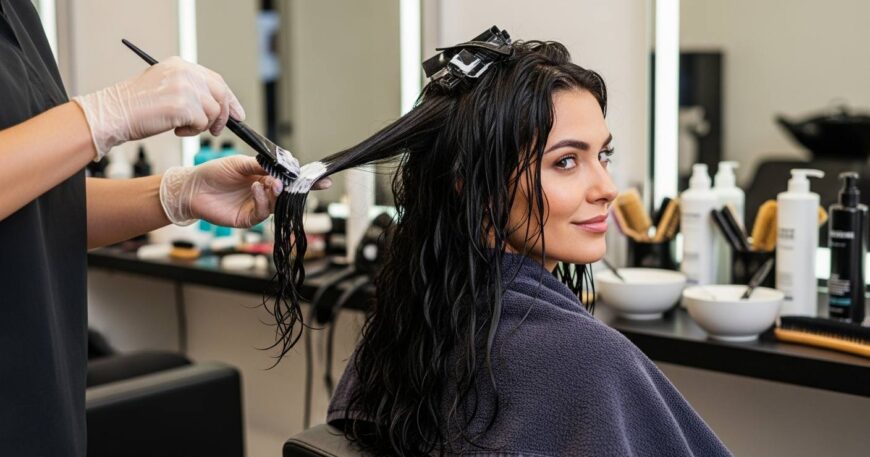
The Ultimate Guide to Straighten Treatment for Hair

Straightening treatments are any methods that make curly or frizzy hair smooth, sleek and more manageable. They range from simple at-home styling (blowouts or flat-ironing) to longer salon procedures. For example, using a flat iron or straightening brush on dry hair gives a sleek look for a day or two, while keratin (Brazilian) treatments infuse protein into the hair to smooth frizz for 2–4 months. The longest-lasting methods (like Japanese thermal straightening or chemical relaxers) actually break and reform the hair’s internal bonds for straight hair until it grows out. In this guide, we’ll cover the main types of straighten treatment for hair and what to expect, plus key aftercare tips to keep your hair healthy and silky.
Temporary Straightening (Flat Iron & Blowout)
To straighten hair quickly at home, you can use a blow-dryer and brush or a flat iron. Always start with fully dry hair – heat on wet hair will cause damage. Apply a lightweight heat-protectant spray or serum before styling to shield your strands. Work in small sections, holding each section taut and gliding the tool smoothly from root to tip. As Dove’s styling guide advises, “take small sections at a time” and move the flat iron quickly without lingering on the ends. This gives smooth, shiny hair that lasts until your next wash. To finish, you can smooth a little hair oil onto the ends for extra shine and protection. Remember: doing this every day can dry out your hair, so try to use heat tools on low settings and give your hair breaks whenever possible.
Keratin (Brazilian) Treatments (Semi-Permanent)
Salon keratin treatments (often called Brazilian blowouts) coat each strand with a layer of keratin protein to seal the cuticle, tame frizz, and add shine. Unlike perms, these do not break your hair’s internal bonds. Instead, keratin simply smooths and infuses the hair from the outside. As Healthline notes, a keratin treatment “is a semi-permanent hair straightening treatment” that lasts about 2–4 months. In practice, this means your waves or curls will be softer and straighter, though not perfectly poker-straight like a chemical perm.
After a keratin service, your stylist will typically ask you not to wash or tie up your hair for 2–3 days. This “downtime” lets the keratin bond to the hair shaft. When you do wash, use only gentle, sulfate-free shampoo and conditioner. Harsh sulfates or salt can strip away the keratin coating. Many stylists even recommend a keratin-infused shampoo or leave-in treatment to reinforce the smoothing. Note that traditional keratin formulas often use formaldehyde (or similar chemicals) as a fixative. Because of this, always ensure your treatment is done in a well-ventilated salon – inhaling the fumes can be dangerous. Overall, keratin treatments are great for cutting frizz and giving a straighter look for a few months, but they can be pricey and require proper aftercare.
Permanent Chemical Straightening (Japanese, Relaxers & Rebonding)
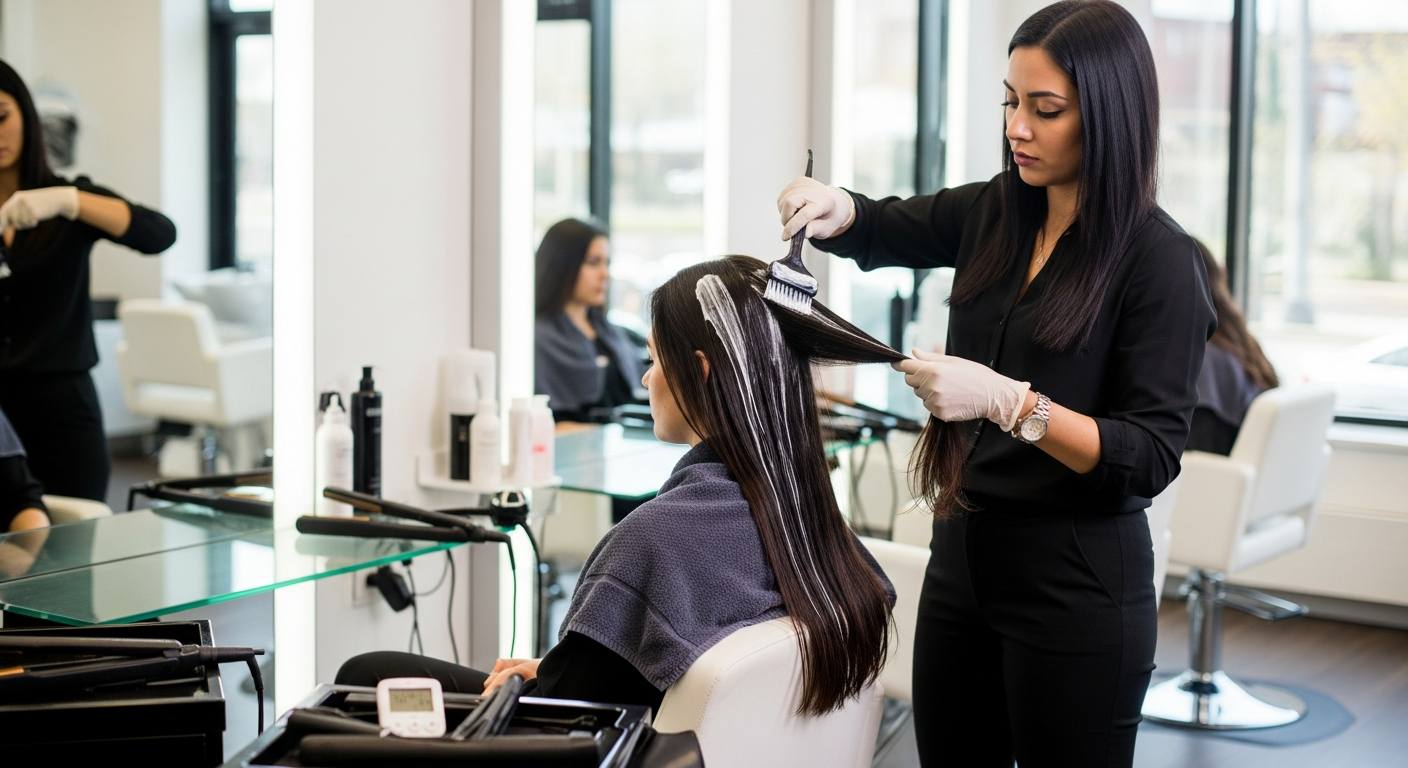
Permanent straightening methods actually restructure your hair so it stays straight on treated strands. The two main categories are thermal reconditioning (Japanese straightening) and chemical relaxers/rebonding. Both use strong chemicals to break the hair’s natural protein bonds, then heat (or another neutralizer) to set the hair into a straight shape. For example, a Japanese thermal straightening treatment breaks the bonds and then flat-irons the hair straight; this leaves you with ultra-sleek hair on every wash. Likewise, chemical relaxers (often sodium hydroxide or no-lye formulas) or rebonding treatments achieve the same effect. These methods are labeled “permanent” because the treated hair remains straight indefinitely – only new hair growth will be curly or wavy again. In practice, that means you’ll need touch-ups on the roots every 6–12 months to maintain an even look.
These intense treatments are effective but come with important considerations. They require an experienced stylist and proper procedure. If done incorrectly (or on hair that’s already damaged/colored), the chemicals can severely weaken or even burn the hair. A Healthline expert advises always doing a strand test first and being honest with your stylist about past color or treatments. Never overlap two harsh chemical processes on the same hair. Also note that, because these use very strong substances (often formaldehyde-based or highly alkaline), some studies have raised health concerns. For instance, frequent use of these straighteners has been linked to possible health risks over time. In summary: permanent straightening can give you perfectly straight locks for as long as it lasts, but it’s costly, time-consuming, and should be approached with caution.
Aftercare & Maintenance Tips
No matter which treatment you choose, proper aftercare is key to keeping your hair healthy and extending the results. Some good tips include:
-
Wait before washing: After a salon straightening (especially keratin), avoid shampooing for at least 2–3 days. This lets the treatment fully set in the hair. Keep hair loose (no tight clips or ponytails) during this period to avoid kinks.
-
Use gentle products: Switch to a sulfate-free, pH-balanced shampoo and conditioner designed for treated hair. Sulfates and harsh detergents will strip out the smoothing proteins or chemicals. Light leave-in products can help keep hair moist without buildup.
-
Limit heat styling: Give your hair a break from hot tools. When you do style, always use a heat protectant. This not only guards against split ends but actually helps lock in keratin treatments as well.
-
Dry and detangle carefully: Gently towel-dry hair (don’t rub) or use a microfiber towel. Use a wide-tooth comb or a brush made for wet hair to detangle, starting from the ends and working up. This avoids excess breakage on freshly treated hair.
-
Protect from water and sun: Chlorine, saltwater, and UV rays can break down straightening treatment for hair. If you swim, saturate your hair with clean water first and wear a swim cap if possible. Rinse and condition hair after any heavy sun or pool exposure.
-
Silk and gentle handling: Sleeping on a silk or satin pillowcase, or wrapping your hair in a silk scarf, reduces friction overnight. Overall, try to avoid tugging or pulling on hair (no tight braids or elastic bands) so you don’t disturb the straightened shape.
By following these care tips, you’ll keep your newly straightened hair looking smooth and strong. Whether you straighten your hair yourself or get a salon treatment, always be gentle and mindful. With the right approach, you can enjoy sleek, shiny hair while keeping it as healthy as possible.
