
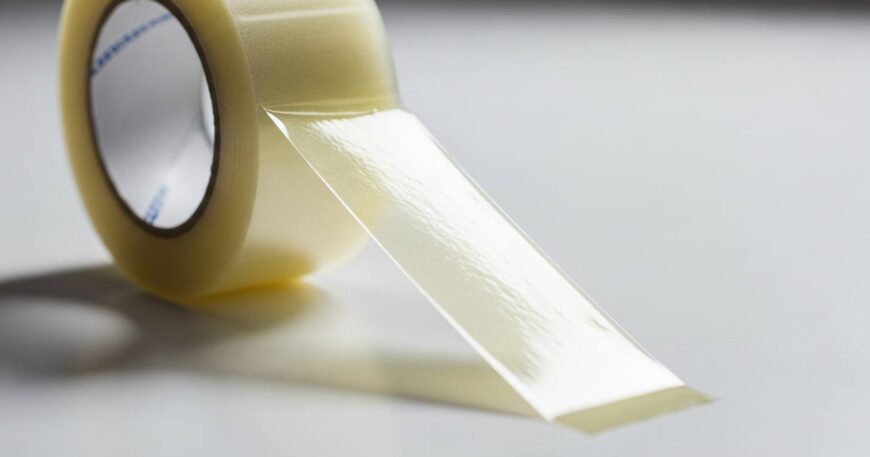
Pressure Sensitive Adhesive Tape: Stick, Seal, Simplify

Pressure-sensitive adhesive tape (often called sticky tape or self-stick tape) is a tape coated with a permanently tacky adhesive that bonds instantly under light pressure. In other words, it sticks when you simply press it on – no water, solvent or heat is needed. This makes it very convenient for everyday tasks – from sealing packages to quick fixes and crafts around the house. PSA tape is everywhere; for example, “Scotch™ tape” and “Sellotape™” are common brand names for clear adhesive tape.
How It Works: Sticky Science
PSA tapes use special polymer adhesives that remain tacky at room temperature. When you press a PSA tape onto a surface, the adhesive flows into microscopic crevices and instantly forms an interlocking bond. There’s no waiting for glue to dry – the bond is immediate. In fact, PSA adhesives are engineered for permanent tack, meaning they’re always ready to stick as soon as you press.
A typical pressure-sensitive tape has three layers: a backing (paper, film, foil or cloth), the adhesive layer (acrylic, rubber or silicone-based), and often a release liner (protective sheet) on double-sided tapes. Single-sided tapes have adhesive on one side, while double-sided tapes are coated on both sides (with a removable liner between). The backing and adhesive are chosen for the task – for example, vinyl backings for flexibility or foam backings for cushioning.
Common Types and Names
Pressure-sensitive tapes come in many varieties. Here are some common types:
-
Masking Tape: A light paper tape with low-tack adhesive. It’s great for painting and crafts because it peels off cleanly.
-
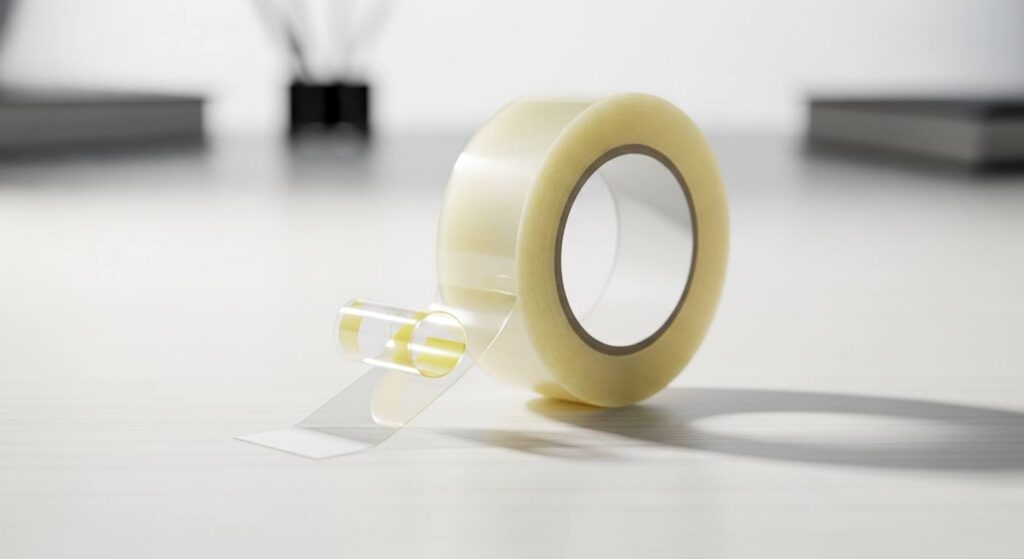
Box-Sealing (Packing) Tape: Wide clear or brown tape used to seal cartons. It usually has a polypropylene backing with a strong acrylic adhesive.
-
Duct Tape: A heavy-duty cloth-backed tape with a waterproof rubber adhesive. Known for its strength and versatility in repairs.
-
Double-Sided Tape: Thin tape coated with adhesive on both sides (with a liner). Useful for mounting photos, fabrics, or materials back-to-back.
-
Electrical (Insulating) Tape: Stretchy vinyl tape for wrapping wires. It conforms to shapes and resists electricity.
-
Specialty Tapes: For specific uses, such as foil tapes for HVAC, Kapton/polyimide tape for high heat, EMI shielding tapes, and decorative washi tapes.
Everyday Uses and Industries
PSA tapes are used everywhere in daily life and industry. Typical uses include:
-
Office/Home: Sealing envelopes, gift wrapping, book or paper repairs, and art/craft projects (many clear desk tapes and decorative tapes are PSA-based).
-
Packaging: Sealing boxes and cartons. Packing tape provides a fast, reliable closure for shipments.
-
Electrical: Insulating wire splices and bundling cables (electrical tapes are formulated for this).
-
Automotive: Attaching trim and moldings, bundling wiring, and temporary fixes during assembly. Automotive tapes are designed to stick to paint and plastics without damage.
-
Construction: Sealing drywall seams, attaching insulation, and covering vapor barriers. Foil-backed PSA tapes seal ducts and insulation panels in HVAC and building work.
-
Medical: Securing bandages and sensor pads to the skin. Medical PSA tapes are hypoallergenic and gentle on skin.
-
Electronics & Aerospace: Mounting components, damping vibrations, and thermal management in devices and aircraft. (For example, acrylic foam tapes bond strongly in smartphones and airplanes.)
In fact, industry guides note PSA tape’s role from automotive wire-harnessing to electronics insulation to everyday packaging and repairs. If you need to hold two things together quickly, a pressure-sensitive tape can probably do it.
Benefits of Pressure-Sensitive Tape
Pressure-sensitive tapes offer many advantages:
-
Quick & Easy: Simply peel and stick – no mixing or drying required.
-
No Extra Tools: The adhesive is pre-applied, so no glue guns or chemicals are needed.
-
Instant Bond: Gets immediate strength under light pressure.
-
Strong & Durable: Many resist moisture, chemicals, and aging. They can hold heavy loads or last for years without failing.
-
Versatile: Bonds to metal, plastic, glass, wood, fabric and more. There are tapes formulated for smooth or rough surfaces.
-
Clean Removal: Some tapes peel off cleanly without residue (ideal for painter’s tape or removable labels). Others are formulated for permanent bonding as needed.
These qualities make PSA tape a go-to solution. It can bond dissimilar materials without damage and avoids the mess and fumes of liquid glues.
Choosing the Right Tape
To pick the right pressure-sensitive tape, consider:
-
Substrate: Is the surface smooth, textured, metal, plastic, or painted? Some adhesives stick better to certain materials.
-
Environment: Will it face heat, cold, moisture, or sunlight? (For example, acrylic adhesives handle UV and weather better.)
-
Bond Strength: Temporary vs. permanent bonding. Do you need a tape that peels off easily or one that stays put?
-
Backing: Plastic films add strength, cloth adds tear resistance, foam adds thickness/cushioning.
-
Color/Finish: Clear tape is nearly invisible; colored or matte tapes can mark or highlight.
-
Standards: In food, medical, or electronics, ensure the tape meets any required safety standards.
In practice, match the tape’s specifications to your application. Checking the manufacturer’s datasheet or testing a sample can ensure optimal results.
Conclusion
Pressure-sensitive adhesive tape is a simple yet powerful bonding tool. Its key advantage is instant adhesion – just press and it sticks. This simplicity makes it indispensable in homes and industry alike, from the dispenser on your desk to assembly lines in factories. Modern tape technology even includes eco-friendly and “smart” tapes, but the core idea remains: a ready-to-stick adhesive on a backing. Whether you’re mounting a poster, sealing a package, or assembling electronics, there’s a pressure-sensitive tape designed to do the job quickly and reliably.
