

How Much Is a Mental Health Evaluation?

The price of a mental health assessment might vary significantly. On average, you might pay a few hundred to several thousand dollars. A basic screening or intake interview usually costs in the low hundreds, but a thorough diagnostic evaluation (containing extensive testing or legal components) might cost several thousand dollars. Your location, the specialist’s credentials, and the type and length of the evaluation all influence the cost. In the following sections, we will discuss typical pricing ranges, cost-influencing factors, and ways to reduce the cost of an evaluation.
Average Prices by Type of Evaluation
The cost of various types of mental health assessments varies. Typical examples include:
A brief conversation or questionnaire to gauge your symptoms is part of a basic mental health checkup. This often costs $100 to $250.
Using a range of tests and interviews, a thorough psychological examination assesses conditions like anxiety, depression, and ADHD. The usual price range for these is $1,500 to $3,500.
Neuropsychological examinations are thorough evaluations of brain function (for memory issues, brain traumas, etc.). They could cost anywhere between $2,000 and $5,000.
Court-Ordered or Forensic Evaluation: A forensic or court-ordered mental health report is typically at least $3,000 and is even more costly.
These are merely average ranges because every situation is unique. For instance, completing a custody test or identifying a child’s learning problem may fall into any of these categories. Longer exam hours and more specific knowledge will typically cost more.
Options for Insurance and Payment
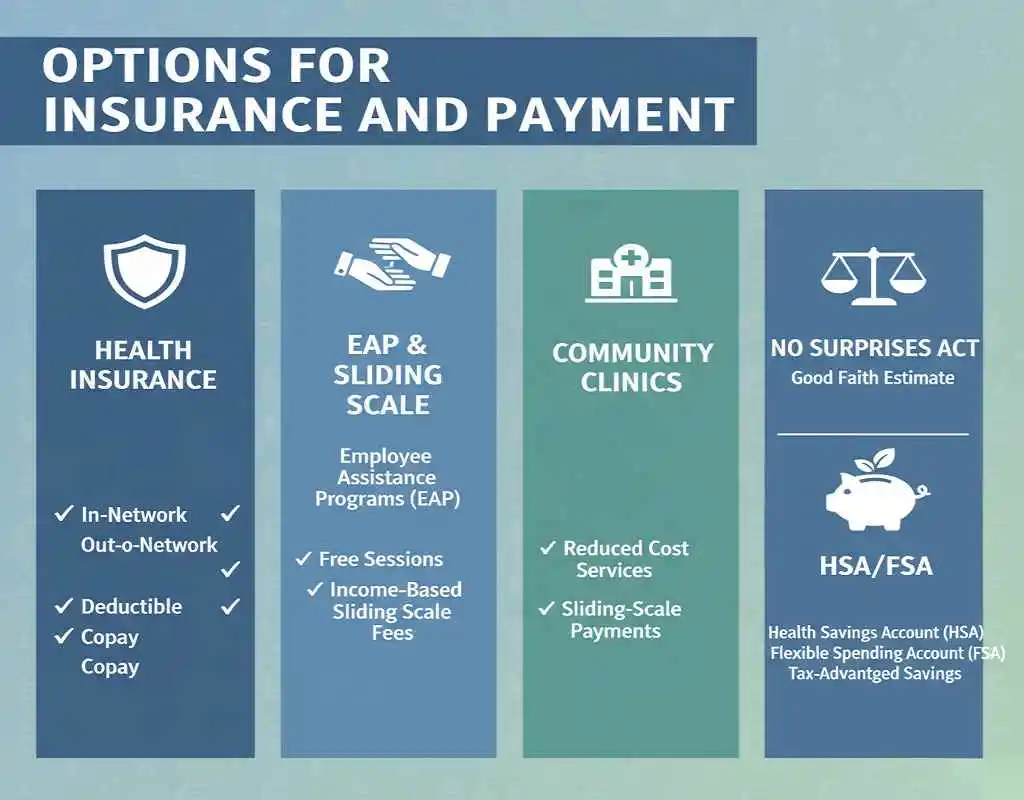
Although paying out of pocket can be challenging, there are strategies to control expenses:
Verify Your Insurance: A lot of health insurance policies pay for mental health assessments, particularly if a physician certifies that they are medically required. You might just have to pay a copay or deductible if you are covered. Always get confirmation from your insurance company first. Because some expenses are covered or repaid, insurance can make evaluations “quite affordable,” according to one source.
Sliding Scale Fees: Depending on income, several therapists and clinics modify fees. University psychology departments, community health centers, and nonprofit clinics frequently provide sliding-scale or discounted pricing. This implies that if your income is modest, you may pay very little or nothing at all. In actuality, a large number of community mental health clinics and non-profit organizations offer assessments to those in need at extremely little or even no cost.
Free Initial Evaluations: Some clinics and treatment facilities provide a free initial screening or consultation. You may get started with this without spending any money right away. (Be wary and make sure a “free assessment” is genuine and not merely a sales pitch.)
Payment Plans: If a provider accepts installment payments, don’t be scared to inquire. You can pay part of the money in advance of the session and the remaining amount thereafter at certain private clinics.
Health Savings Accounts (HSAs): You can frequently use your flexible spending account or health savings account to pay for authorized mental health services, which lowers your taxable costs.
Ways to Cut Expenses
Request a Price Quote: Obtain a detailed cost breakdown prior to making a reservation. “What is included in this evaluation, and how much will it cost?” To prevent unpleasant surprises, inquire up advance about any hidden costs that might arise (such as extra report time or extended hours).
Rates may differ when comparing providers. Calling a few clinics or therapists and comparing prices can be beneficial if you don’t have insurance. Although specialization and quality are crucial, variations of a few hundred dollars can have a significant impact.
Think about telehealth: Online assessments can occasionally be less costly than in-person ones. Asking about telehealth is worthwhile if you value privacy and convenience (but make sure it’s a competent professional).
University Clinics: Research psychology clinics at universities. They frequently provide inexpensive tests (conducted by trainers or students under supervision). These can be excellent low-cost choices for quality testing.
Conclusion
In conclusion, there is no one answer to the question “how much is a mental health evaluation?”—it all depends on your needs. While comprehensive, expert tests frequently cost in the low thousands, basic screens could cost less than $300. You can find a solution that suits your needs without going over budget by being aware of the variables (test kind, provider, and location) and looking into choices like insurance, sliding scales, or free clinics.
Always keep in mind that getting a professional examination is a crucial first step toward improved mental health, therefore it’s worthwhile to look into all of your financial choices. To help you plan and receive the treatment you need, be aware, ask questions, and don’t be afraid to bring up prices with your provider.
