

How Do Mental & Emotional Illnesses Affect Social Health?

Mental and emotional illnesses often make it harder for people to connect with others. In simple terms, social health is all about our ability to form relationships, communicate, and feel a sense of belonging. When someone has an illness like depression, anxiety or bipolar disorder, their social health can suffer. For example, experts note that these conditions often increase feelings of isolation and loneliness. In fact, a 2024 survey found that 30% of U.S. adults felt lonely at least once a week. Mental health struggles can drive that loneliness even higher by causing people to pull away from friends and social events.
Mental or emotional illness can hit the mute button on social life in several ways:
-
- Isolation and Withdrawal: Many people with depression or anxiety start cancelling plans or avoiding calls. They feel too tired, sad or anxious to go out. As one counselor explains, mental illness can make someone “withdraw from social situations… due to a lack of energy, feelings of worthlessness, or fear of negative social experiences”. Over time, skipping get-togethers and staying home leads to real loneliness. People may feel they don’t deserve friends or worry that no one will understand them, which makes them pull even further back.
- Strained Relationships and Communication: It can be hard to talk about what you’re feeling. Mental illness often comes with mood swings, irritability or sudden sadness that confuse or upset friends and family. For example, someone might find it tough to say what they need, leading to misunderstandings. Experts note that symptoms like anger outbursts or emotional ups-and-downs can strain bonds. If a person can’t express themselves easily, loved ones may withdraw or become frustrated. This creates conflict – arguments over little things or a feeling that “you’re not really here.”
- Lack of Energy and Motivation: Depression and similar conditions often drain your energy, making even small social interactions feel like a heavy chore. When just getting out of bed or showering is hard, it’s no wonder that reaching out to others gets postponed. This low motivation can make someone skip work lunches or stop hobbies they once enjoyed. Friends notice the change: “where did you go?” they ask, and it can feel shameful to admit you’re just too tired. In turn, people feel guilty and stay home again, worsening the isolation.
- Lowered Self-Esteem: Mental illnesses often whisper negative messages like “you’re not interesting” or “others would be happier without you.” These thoughts chip away at confidence. Someone struggling might feel unworthy of friendship or love. When you believe that yourself, it’s hard to reach out – you might avoid social events or remain quiet in group chats. Friends may misinterpret this as disinterest. In reality, the person is fighting an internal battle: “If I don’t go, no one will see how down I am,” they might think.
- Difficulties Trusting and Opening Up: Some emotional issues (like trauma or PTSD) make it hard to trust people. Someone might keep a “wall” up, fearing others will hurt them if they get too close. This guardedness means superficial conversations and few deep friendships. Even small signs of rejection or misunderstanding can feel overwhelming, so they back off.
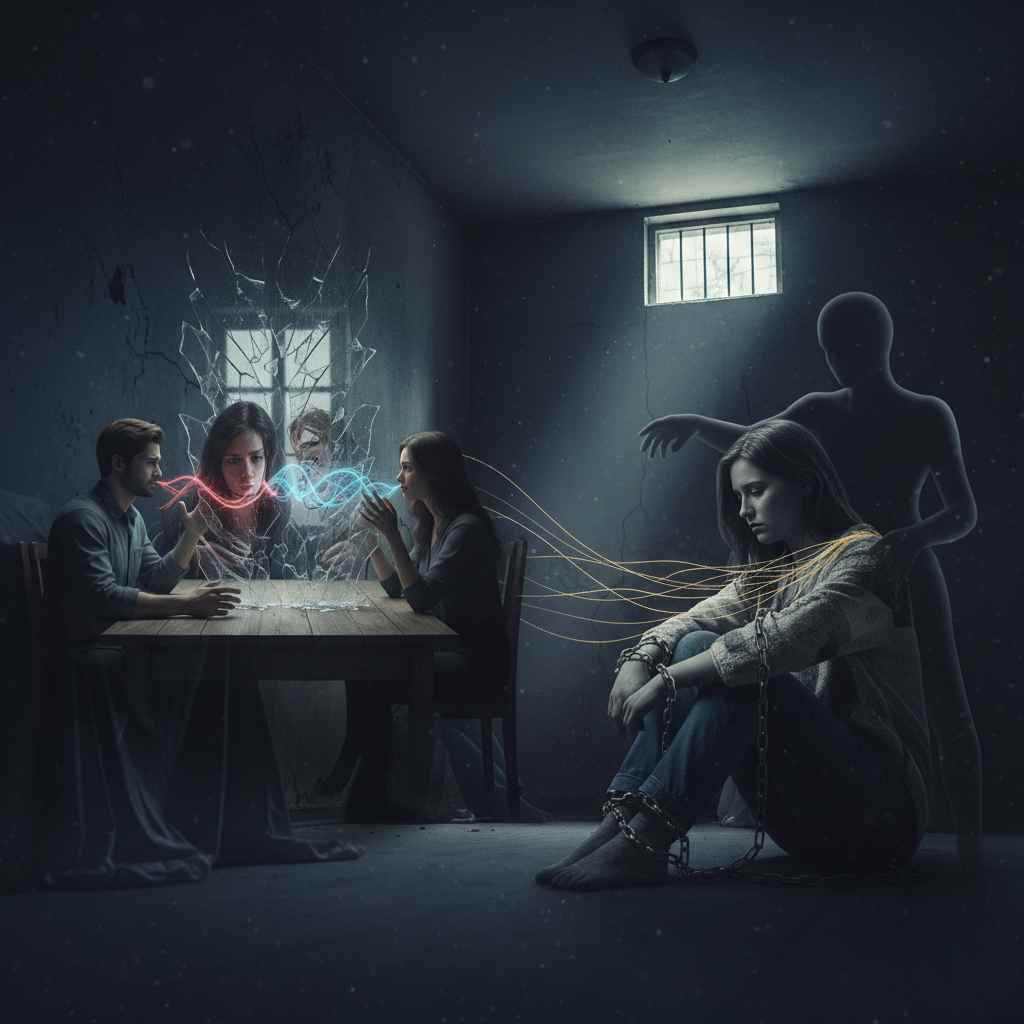
All of these factors feed into a vicious cycle. Mental health problems can isolate us, and being isolated can make mental health worse. For instance, when you feel alone, even harmless things like missed calls or canceled plans can feel like proof that people don’t care. That loneliness then deepens depression or anxiety symptoms. Worse, chronic isolation has been linked to actual health risks – it affects sleep, stress hormones, and even the immune system over time.
Isolation and Loneliness: When depression or anxiety strike, someone might skip social events and hide at home. Without sunlight and friends, sadness deepens. Source: Keenan Constance (Pexels)*
It may help to think of social health like a plant: friendships and community time are the sunlight and water. Mental and emotional illnesses can be like a long, dark winter that makes the plant wilt. You feel lonely and your friendships weaken. But just as spring eventually returns, with support you can revive those connections.
Importantly, you’re not alone in this. Many people face these challenges. Mental health experts emphasize that treatments and support can make a big difference. Therapy, for example, often includes learning social and communication skills, which helps people share their feelings and rebuild trust. Over time, even small steps can restore connections (like calling a friend for a short chat, or joining a support group where others understand what you’re going through). Sticking to good habits – regular sleep, exercise, and healthy eating – also boosts energy and mood, making it a bit easier to engage with others. All of this shows that while mental illness can hurt social health, improving one can help the other too.
FAQs
1. How does mental illness affect social health?
Mental illness can cause withdrawal, low energy, or self-doubt, making it harder to connect, communicate, and maintain healthy relationships.
2. Why do people with depression or anxiety isolate themselves?
They often feel exhausted, unworthy, or fearful of judgment, so avoiding social situations feels safer even though it deepens loneliness.
3. Can strained communication harm relationships during mental illness?
Yes. Mood swings, irritability, or difficulty expressing needs can confuse or upset loved ones, leading to conflict or distance.
4. How does loneliness worsen mental health symptoms?
Isolation creates a cycle: feeling alone increases sadness and anxiety, which in turn leads to further withdrawal and lower well-being.
5. What helps improve social health when struggling with mental illness?
Small steps like calling a friend, joining support groups, or practicing healthy habits can rebuild trust, connection, and confidence.
