

Đeman: Myth, Meaning and Soul

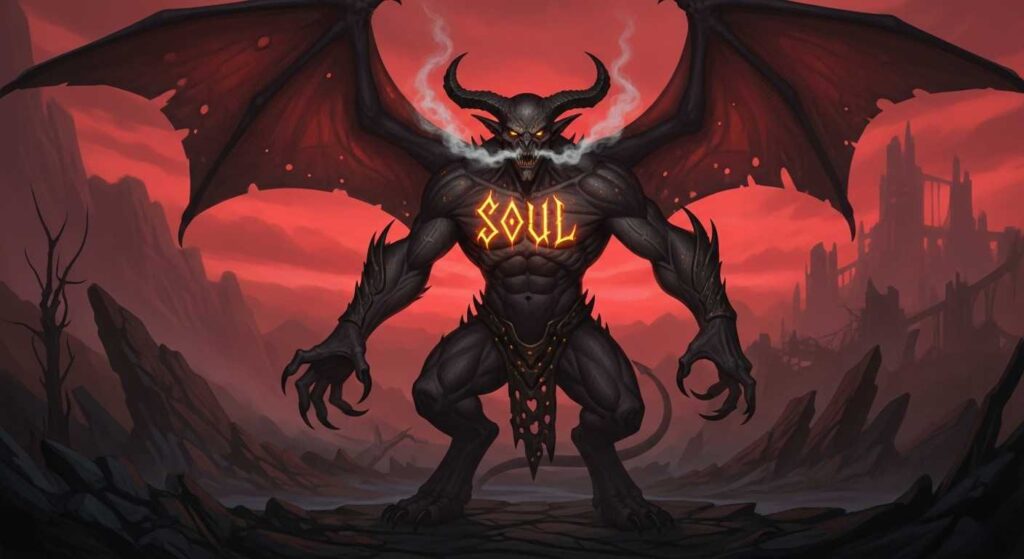
Đeman is not just a simple word – it’s a powerful cultural symbol. It comes from ancient folklore, where đeman often appears as a spirit or supernatural figure in stories. One source even says đeman is “more than simply a word” – it “embodies myth, culture, and personal conviction.” In these tales, đeman can take many forms: a guardian of the forest, a trickster, or a challenge to a person’s values and even their soul. In short, đeman stands for the hidden forces of myth and the personal journey we all face.
Origins and Cultural Context
Villagers perform the Boothakola dance in India, a ritual honoring forest spirits. Like this, the idea of đeman comes from a blend of language and tradition. The word itself likely originates in old Slavic languages (the prefix “de” suggests negation and “man” hints at spirit). In ancient societies, such words helped explain storms, wild animals, or inner fears. Because of these roots, đeman has always been tied to the natural and spiritual world.
Across the Balkans and neighboring regions, villages have passed down stories of đeman for generations. In these cultures, đeman often appears as a guardian of the woods or mountains – powerful, but not purely evil. These stories were a way to teach respect for nature and tradition. Even today, artists and local festivals keep đeman folklore alive through dance, art, and storytelling. This shared heritage gives đeman new meanings while keeping its old lessons alive.
Folklore and Myth
In folk tales, đeman doesn’t have one fixed form. It might walk as a shadowy stranger, appear as a goat with glowing eyes, or hide in swirling mist. One legend tells of a priest who welcomes a mysterious guest home without realizing it is đeman, then must atone for breaking sacred rules. Another tale warns a greedy hunter that he will face the đeman if he takes more from the forest than he needs. These legends rarely make đeman a mindless monster. They frame đeman as a teacher or guardian of wisdom, guiding people rather than simply frightening them.
Even today, villagers still joke or warn about the đeman. Elders might say, “Don’t wander in the woods alone – the đeman walks there,” reminding children to be careful. Such sayings keep communities connected; they suggest that mysterious events might hold lessons if we pay attention to the old stories.
Symbolism and the Inner Journey
Đeman is rich in symbolism. Many writers compare it to the “shadow self” – the hidden part of you that holds fear, guilt, or secret desires. In this view, đeman isn’t an outside demon but an inner challenge. Confronting a đeman means looking into your own heart and dealing with what you find there.
Another theme is duality. Sources note that đeman embodies both creation and destruction. It represents the balance of light and dark in life, like how joy often coexists with sorrow. Winning over a đeman is like moving “through darkness toward enlightenment or rebirth.” In other words, the fears and problems we face – our personal demons – can change us for the better. Even our scariest challenges can teach us courage and strength.
Global Journeys of Đeman
While đeman is rooted in European legend, similar terms and traditions appear around the world. In Vietnam, for example, đeman (or đêmán) refers to a traditional folk performance. This Vietnamese đeman blends music, poetry, and dance into a living story. It’s more than entertainment – performances become communal experiences that connect audiences with their culture and history.
In parts of Southeast Asia, đeman even refers to a spice – a bay-leaf-like herb used in cooking. Used in soups and stews, this herb adds a warm, citrusy flavor to dishes. It also carries symbolic weight: many see it as a symbol of hospitality, prosperity, and tradition. In all these forms – story, dance, or spice – đeman continues to connect people to their roots in a tangible way.
Đeman’s Meaning Today and Personal Soul
In modern life, đeman often has personal meaning. It can symbolize an individual’s journey or the values of a community. Artists, writers, and performers still use đeman in music, art, and festivals to explore identity and change.
Crucially, đeman is tied to the soul. Folklore teaches that a đeman story tests your “will, soul, and moral clarity.” You overcome it not by force but by honesty and strength of character. As one source notes, the hero wins by “remaining true to self and soul.” These tales remind us that staying true to ourselves and our traditions is the real victory.
Conclusion
From its linguistic roots to its place in global culture, đeman weaves together myth, tradition, and personal meaning. Ultimately, đeman “is a mirror – reflecting the fears, flaws, and potentials of those who hear its tale.” It shows how ancient stories and beliefs continue to shape our understanding of the world and ourselves. By exploring đeman, we honor cultural heritage and learn that facing challenges with honesty helps both our soul and our shared humanity. Ultimately, đeman invites readers to reflect on their own inner journeys and honor the traditions that shaped them.
