
Can You Get Braces If You Have Missing Teeth?

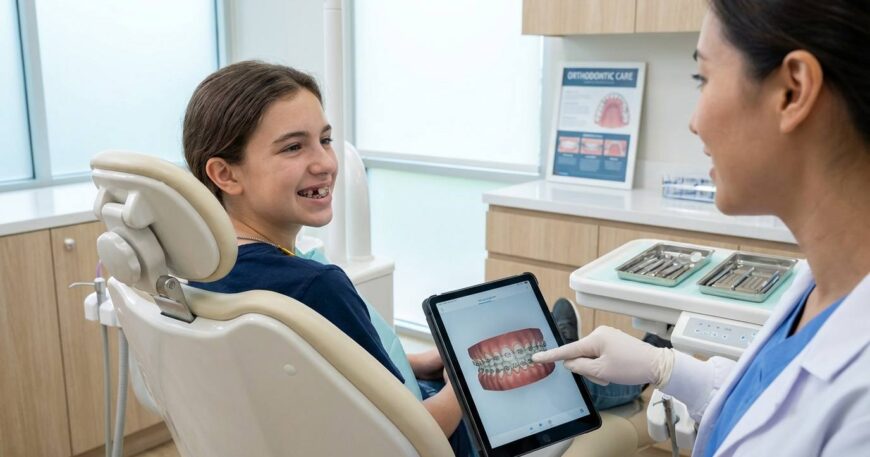
Yes – you can still straighten your teeth with braces even if one or more teeth are missing. Missing teeth don’t automatically disqualify you from orthodontic treatment. In fact, braces can be a very effective way to align the remaining teeth, stop them from shifting, and even prepare the mouth for future tooth replacements like implants or bridges. Orthodontists will create a personalized treatment plan for your unique situation, taking into account which teeth are missing and your overall bite.
Orthodontic treatment can begin in childhood or adulthood, depending on when teeth are lost. For example, it’s common for children around age 8 to start braces even if baby teeth have fallen out. Braces on a child’s existing teeth create room for the permanent teeth to come in and keep spacing on track. For adults missing permanent teeth, braces can make space for implants or bridges and prevent the remaining teeth from drifting out of alignment.
Why Fix Missing Teeth with Braces?
Missing teeth often lead to shifting of the other teeth and bite problems. When there’s a gap in the mouth, the adjacent teeth naturally tend to tilt or drift into the empty space. This drifting can make your bite unstable and may cause jaw pain or excessive wear on certain teeth. Braces anchor the teeth and prevent that unwanted movement. In other words, wearing braces will hold your remaining teeth in place and stop them from crowding into the gap. Treating the gap with braces early on helps protect your bite and prevents more serious orthodontic issues later.
Besides keeping teeth steady, braces also help with creating or maintaining the right space for the missing teeth. Depending on the case, your orthodontist may use braces to close the gap completely by moving the neighboring teeth together, or to hold open a perfect space until a replacement tooth (like an implant or bridge) is put in place. Closing the gap can sometimes eliminate the need for a replacement; in other cases, braces will precisely space the teeth to fit an implant naturally. This careful tooth movement makes sure that when it’s time for a new tooth, it will fit and function well within the smile.
How Braces Help When Teeth Are Missing
-
Anchoring Existing Teeth: Braces attach brackets and wires to your teeth, which anchor them in the jaw. This stops the remaining teeth from tipping or drifting into the empty space. Think of braces like a scaffold that holds your teeth in the correct positions. Keeping the teeth stable prevents bite issues that often follow tooth loss.
-
Adjusting Spacing: Orthodontists can move adjacent teeth to adjust the gap. They might gently push the teeth together to close a small space, or pull them apart slightly to make a uniform space for an implant or bridge. For example, one patient’s case showed that clear braces were used to “close spaces left by missing teeth,” completely restoring the smile without implants. This shows braces can even remove a gap entirely when planned carefully.
-
Preparing for Replacements: When you plan to replace a missing tooth, orthodontic treatment can get the mouth ready. Braces can position the neighboring teeth so that there’s an ideal opening for an implant or bridge. In fact, many orthodontists recommend finishing braces before placing implants, because implants are fixed in bone and cannot be moved by braces. By aligning the teeth first, the implant can later be inserted into a perfectly spaced spot.
-
Improving Bite and Function: Braces don’t just fix spacing; they also correct bite issues (like overbites, underbites, or crossbites) that can worsen when teeth are missing. A balanced bite distributes chewing forces evenly and prevents jaw strain or uneven wear on teeth. Straightening your teeth with braces can make biting and chewing more comfortable and efficient, even if some teeth are missing.
-
In Children: Kids who have lost baby teeth often get braces during their growth years. Orthodontists can guide the development of the jaw and make sure adult teeth have room to come in straight. Starting treatment early (around age 8 or so) can actually shorten the overall time spent in braces, because it uses the natural growth phase to correct gaps and alignment issues before the permanent teeth arrive.
Braces for Children vs. Adults
Orthodontic care is common for both kids and adults with missing teeth, but the goals are a bit different.
-
Children/Teens: Many children naturally have gaps when baby teeth fall out. Rather than waiting for all adult teeth to come in, orthodontists often start treatment while the child has a mix of baby and permanent teeth. Braces on the remaining teeth help guide the incoming adult teeth into the right spots. This keeps spaces open where needed, and helps prevent issues like crowding or improper bites from developing. In short, braces during childhood ensure the adult teeth erupt in a straight, functional alignment.
-
Adults: Adults may lose teeth due to decay, injury or other reasons. In these cases, braces can still align the existing teeth and prepare for new ones. For example, an adult missing one or more molars can have braces to shift the surrounding teeth to make room for implants. This not only creates the right space, but it also ensures the other teeth don’t drift over time (which is a common problem as we age). Orthodontic treatment can even help correct bite problems that resulted from the missing teeth. After braces are removed, adults often get dental implants, bridges or partial dentures to fill in the missing spots.
In both kids and adults, braces are often followed by retainers to keep teeth in their new places. This is especially important when teeth have been moved to accommodate a future tooth replacement. In some cases, orthodontists might also use a spacer or band during treatment to hold open the gap so it doesn’t close too much before an implant is ready.
Types of Braces and Treatment Planning
Fortunately, nearly all types of braces can be used when teeth are missing. Traditional metal braces, clear ceramic braces, and even lingual braces (attached behind the teeth) are options. Modern clear aligners like Invisalign or Spark can often be used too, especially in mild to moderate cases. The best choice depends on factors like the gap’s location, the condition of your gums, your age, treatment goals and budget.
For instance, if you have dental crowns or bridges on some teeth, clear aligners might be a good option because they don’t require bonding brackets to those restorations. On the other hand, traditional braces provide very precise control and might be chosen if complex tooth movement is needed. Some orthodontists even add temporary pontics (fake teeth attached to the braces) in place of missing front teeth so that you don’t have a visible gap during treatment.
Your orthodontist will plan out each step. They may first straighten and align your existing teeth, then coordinate with your general dentist or oral surgeon about the timing of implants or bridges. In many cases, the braces are completed before placing a permanent replacement tooth. This way the final prosthetic tooth will fit perfectly into a well-aligned bite.
Planning for Implants or Bridges
If you plan to replace a missing tooth with an implant or bridge, orthodontic treatment plays an important preparatory role. As mentioned, it’s usually best to finish braces before placing an implant, because once an implant is in the bone it cannot be moved. Instead, braces are used to move the natural teeth, creating just the right amount of space for the implant. In some cases, if an implant is already present, the orthodontist will work around it by aligning the other teeth and then placing any additional implants after.
During planning, orthodontists will consider the location of the gap: a missing front tooth might need a different approach than a missing back molar. They’ll also look at how much space there is, how your jaws fit together, and your overall oral health. Throughout treatment, your orthodontist may also work closely with your dentist or oral surgeon to coordinate the timing of braces and implants so that the end result is a healthy, complete smile.
After Braces: Retainers and Next Steps
Once your braces are removed, wearing a retainer is crucial—especially when you have missing teeth or planned replacements. A retainer will keep the moved teeth from drifting back and will preserve the space if an implant or bridge is coming soon. In some cases, if a gap was intentionally left for an implant, a retainer or spacer will help keep that space open long enough for the implant procedure.
In summary, having missing teeth does not prevent you from getting braces. On the contrary, orthodontic treatment can correct your bite and align the remaining teeth, making your smile healthier and preparing it for any needed tooth replacements. As one case study noted, braces were used to completely “close spaces left by missing teeth, restoring the patient’s smile” without even needing implants.
If you’re considering braces and have missing teeth, talk to an orthodontist. They will evaluate your mouth, discuss your goals (and future restorative plans like implants), and recommend a treatment plan tailored for you. Modern orthodontics has solutions for almost every situation, so you can look forward to a straight, stable smile – missing teeth and all.
