

AURÖ Workshop: Platform for Young Researchers in Environmental Economics

The AURÖ Workshop for Young Researchers in Environmental Economics is an annual event that gives early-career economists a special platform to share their work. It’s organized by the German Economic Association’s environmental economics committee (AURÖ – Arbeitskreis Umwelt- und Ressourcenökonomik). Each year PhD students and postdocs (mainly from Germany, Austria, and Switzerland) present working papers and case studies on topics like climate policy, energy economics, resource management, and sustainability. In short, AURÖ is designed for young environmental economists to showcase research, discuss ideas, and build professional networks. For example, the 2025 call for papers explicitly states that the workshop “aims to provide a platform to present research, engage in professional discussions and network with peers”. One past participant described it simply as a place that “provided a platform for early-career researchers to present their work and engage in discussions on current topics in environmental and resource economics”.
The workshop typically spans two days, combining formal sessions and informal networking. Participants prepare a paper or extended abstract and present it in a panel. After each talk there is ample time for questions and feedback. These sessions might run in parallel on different themes – for instance, one room could host papers on climate and policy while another focuses on energy markets or environmental behavior. This structure directly supports AURÖ’s goals: showcasing new research, fostering professional discussion, and strengthening connections among scholars. Between sessions there are coffee breaks and social dinners so attendees can meet one another. As one report noted about the 2025 workshop at ZEW Mannheim: it “provided a platform for early-career researchers to present their work and engage in discussions on current topics in environmental and resource economics”.
Why attend the AURÖ Workshop?
In a friendly, expert setting you gain valuable feedback and contacts. Key benefits include:
-
Feedback and Mentoring: Senior academics and peers ask questions and give constructive suggestions on your research design and findings, helping you refine your work.
-
Networking: You meet other graduate students, postdocs, and professors across German-speaking Europe. These new contacts can become co-authors, advisors, or colleagues down the line.
-
Awareness of Current Research: By listening to others’ presentations, you learn about the latest methods and topics (from carbon pricing to sustainability transitions) that you might not otherwise encounter.
-
Career Visibility: Presenting at a recognized workshop strengthens your CV and raises your profile. It shows initiative and can lead to invitations to conferences or collaborations.
Even the organizing committee highlights these points: the workshop “provides a platform to present research, engage in professional discussions and network”, exactly mirroring the benefits above. In this open, multi-disciplinary forum, young researchers often leave with fresh ideas and wider professional circles.
AURÖ’s Background and Community
AURÖ itself is a long-standing group within the German Economics Association (Verein für Socialpolitik). Its name literally means Environmental and Resource Economics Working Group. The AURÖ committee was officially formed in 1993 (after informal meetings in the early 1990s) and its members include top scholars from universities and research centers in Germany, Austria, and Switzerland. As the official AURÖ description notes, the group provides “a congenial meeting ground for the leading academic researchers in the field in Austria, Germany, and Switzerland”. In other words, it is a friendly scholarly community focused on environmental economics. The AURÖ Workshop for Young Researchers is one of its annual highlights (alongside a larger Annual Meeting).
Each year, AURÖ partners with a host institution to run the workshop. For example, the 2025 workshop was held at ZEW – the Leibniz Centre for European Economic Research in Mannheim – in cooperation with the University of Mannheim. Workshops are always conducted in English to accommodate an international audience, even though most participants come from German-speaking countries. There is no conference fee; organizers simply ask participants to cover their own travel and hotels. This makes the event very accessible to students and postdocs.
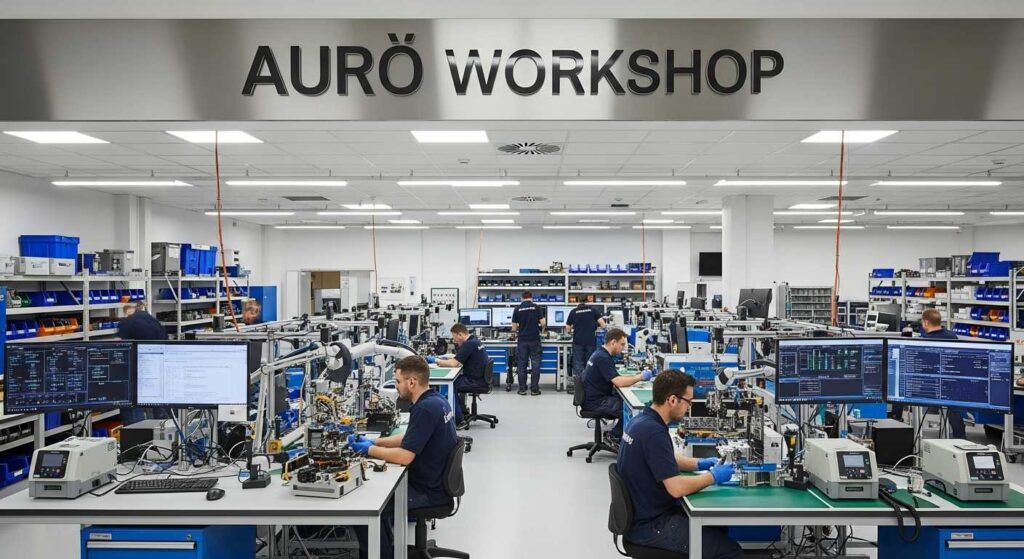
Workshop Highlights (Sample Topics)
Past AURÖ workshops have featured a wide range of environmental economics topics. Although schedules vary, you can expect sessions on issues like climate change economics, energy use and policy, natural resource management, and environmental behavior. For instance, at the 2025 workshop participants presented papers on subjects such as the energy-efficiency gap in households, well-being impacts of natural disasters, carbon footprints, and the economics of social cooperation. One presentation by Anna Maier (Univ. Augsburg) studied how a “normative appeal” affects cooperation in teams, illustrating how behavioral experiments tie into environmental dilemmas.
These examples show the diversity of research: some studies model policy instruments (like carbon taxes), others look at firm or household data (e.g. energy choices during a crisis), and still others involve experiments on social preferences. Even though the focus is on economics, many papers draw from other fields like sociology or ecology. This interdisciplinary mix is by design – AURÖ encourages cross-cutting ideas in sustainability.
What to Expect and How to Prepare
If you decide to submit to AURÖ, you’ll typically send in a working paper or extended abstract (usually due in late autumn). Accepted participants then finalize their presentation, usually a 15–20 minute talk followed by Q&A. The workshop format often includes parallel sessions (multiple mini-conferences at once) and at least one keynote or invited talk by a senior expert. Beyond talks, there are roundtable discussions or poster sessions in some years.
Here are some practical tips: Prepare a clear and engaging presentation; practice with colleagues if you can. During the workshop, be proactive: ask questions during other talks and don’t be shy about introducing yourself during breaks. Bring business cards or a link to your website if you have one. Afterward, follow up with new contacts by email or LinkedIn. These connections can lead to co-authored papers or job leads later on.
The overall atmosphere is supportive and collegial. Because AURÖ says it offers a “congenial meeting ground”, you can expect a friendly tone. Many participants have noted that everyone—from fellow PhD students to professors—is happy to chat and help. AURÖ’s focus on young researchers means you won’t be the only early-career person there; in fact, it’s a chance to talk honestly about career paths, publishing struggles, or funding opportunities.
In summary, the AURÖ Workshop is more than just a conference – it’s a springboard for young environmental economists. It combines technical sessions with social events so that after two days you’ve learned new ideas and made new friends in the field. By the end of the workshop, many participants feel more confident in their research and have concrete next steps (like co-authoring or job applications).
If you’re a policy or economics PhD student working on sustainability or resource issues, AURÖ is worth considering. Keep an eye on announcements from the German Economic Association and the ZEW website. The European Association of Environmental and Resource Economists (EAERE) also publicizes it each year (for example, announcing the Mannheim 2025 dates). As AURÖ itself proudly notes, its annual meeting and “Junior Researcher Workshop” are the event’s highlights – and it’s clear why: they truly empower the next generation of environmental economists.
