

Are Functional Medicine Doctors MDs?

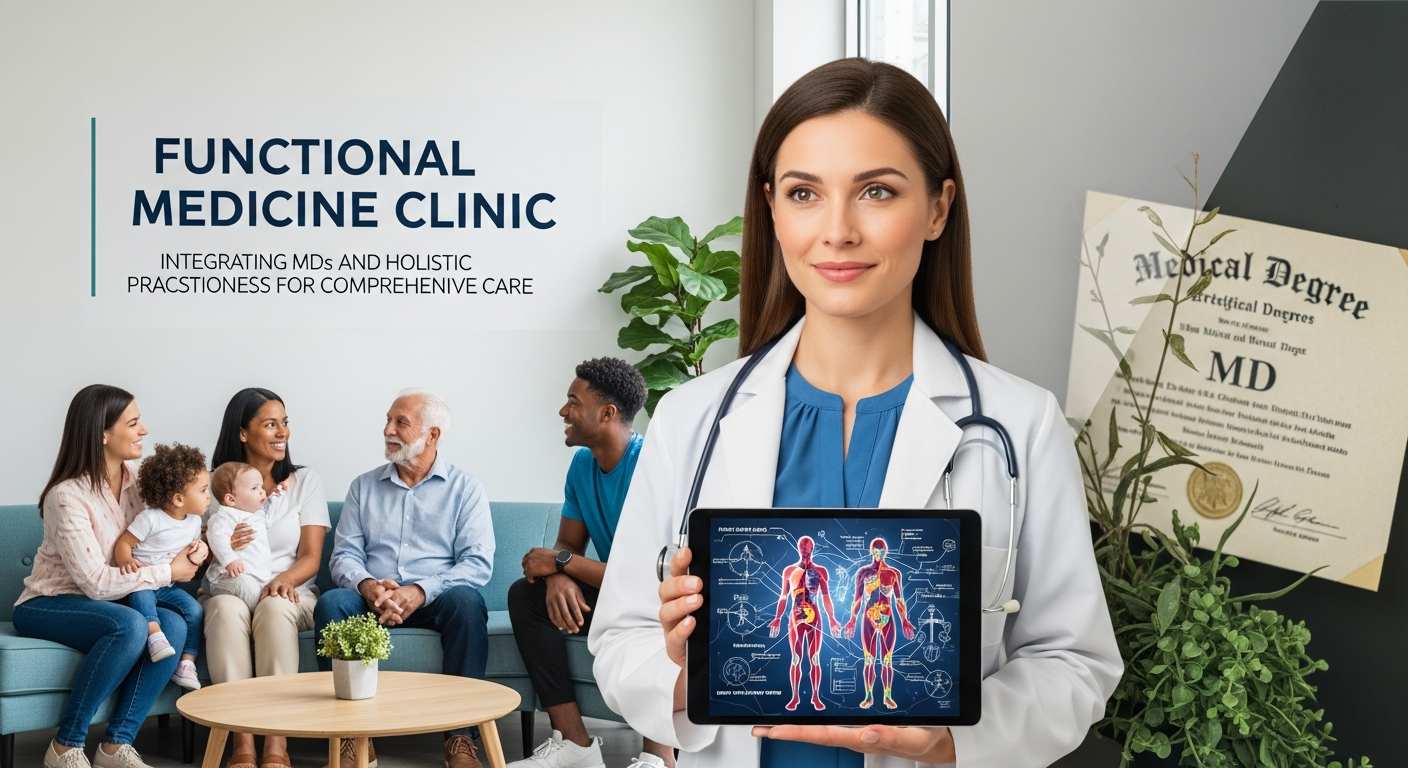
Functional medicine practitioners can indeed be MDs or DOs, but that title isn’t exclusive to them. Some functional medicine “doctors” are licensed physicians (Medical Doctors or Doctors of Osteopathic Medicine) with extra training in functional medicine. However, many others hold different qualifications: they might be naturopathic doctors (NDs), nurse practitioners (NPs), physician assistants (PAs), chiropractors (DCs), or even health coaches who have completed functional medicine courses. In short, “functional medicine doctor” is a broad label. It refers to anyone using functional medicine principles, not just physicians. As one overview puts it, these providers could be “an MD, DO, ND, NP, DC…etc. It is not the degree that makes someone a functional medicine doctor; it is the training they have”. When you meet a functional medicine practitioner, what matters most is their training in functional medicine and their valid healthcare license – not merely the letters after their name.
Functional medicine takes a holistic approach to health (e.g. nutrition, exercise, lifestyle). Practitioners come from diverse backgrounds, so their qualifications vary. Many MDs and DOs practice functional medicine, but non-physicians can also call themselves functional medicine providers after specialized training.
MDs and DOs in Functional Medicine
Many functional medicine providers are traditional physicians. For example, one guide explains that “many Functional Medicine Doctors are MDs, while others choose to pursue a Doctor of Osteopathic Medicine (DO) degree instead”. Both MDs and DOs complete full medical school and licensing. They can perform exams, diagnose conditions, order labs, and prescribe medications. In functional medicine, these doctors typically add extra education (such as IFM courses) to learn about root-cause diagnosis and integrative treatments. An MD or DO with functional medicine training may be board-certified in a specialty (like Family Medicine or Internal Medicine) and then earn an FM certificate.
-
MD (Doctor of Medicine): A fully licensed physician trained in conventional medicine. Many MDs pursue additional functional medicine training to focus on nutrition, lifestyle and underlying causes of illness.
-
DO (Doctor of Osteopathic Medicine): A fully licensed physician similar to an MD, but with added emphasis on the musculoskeletal system and holistic care. DOs can prescribe and practice the same medicine as MDs. Some DOs also adopt functional medicine methods.
Because MDs/DOs hold the highest medical licenses, they have the most flexibility in practice. They can prescribe any needed drugs, order tests, and refer to specialists. It’s always safe to confirm that an MD or DO practicing functional medicine is properly licensed in your state (most states publish physician licenses publicly). One source even advises patients: “make sure [a functional medicine doctor] has MD or DO credentials and is licensed to practice medicine in your state.” This ensures they have legitimate medical training and prescription authority.
Other Licensed Practitioners
Functional medicine isn’t limited to physicians. Many non-MD providers offer functional medicine care after advanced training. For example:
-
Nurse Practitioners (NPs) and Physician Assistants (PAs): These are advanced practice providers who often work in partnership with doctors. NPs and PAs can earn certificates in functional medicine and see patients independently, but the laws vary by state. NPs typically can prescribe medications (in most states), and PAs can prescribe under physician supervision. A patient visiting a functional medicine NP or PA should know that if prescription treatment is needed, they may coordinate with a physician or have their own prescribing privileges depending on local law.
-
Naturopathic Doctors (NDs): NDs attend naturopathic medical schools (not standard medical schools). In many U.S. states they are licensed as primary care doctors with an “ND” degree. NDs focus on natural therapies (herbs, diet, etc.) and often claim to practice functional medicine. Their scope (like whether they can prescribe drugs or only natural substances) varies by state.
-
Chiropractors (DCs): Chiropractors hold a DC degree and normally treat spinal/musculoskeletal issues. Some chiropractors receive functional medicine training and incorporate nutrition or labs into care. Chiropractors cannot prescribe medications, so they typically work alongside MDs if drugs might help.
-
Other Providers: Even dietitians (RDs), acupuncturists (LAc), and health coaches sometimes adopt functional medicine principles. They can give nutritional and lifestyle advice, but by law they do not diagnose or prescribe. They often work on a health team coordinated by an MD/DO or NP.
In functional medicine, a patient might see different types of providers. An MD or DO can address medical issues and prescribe drugs if needed. A functional medicine NP or PA can also manage care (and often prescribe). NDs and DCs have more limited scope. Patients should check each provider’s license and qualifications. For instance, one guide lists exactly these types (MD, DO, NP, DC, ND) and notes how their roles differ, emphasizing prescription rights and focus.
Certification and Training in Functional Medicine
Functional medicine is not an official medical specialty regulated by a national board (like cardiology or pediatrics). Instead, it’s a practice philosophy taught by various institutes. The best-known is the Institute for Functional Medicine (IFM). IFM offers a Functional Medicine Certification (the IFMCP credential) that requires extensive coursework and exams. Importantly, IFM’s program is open to many licensed providers: it certifies “licensed physicians (DOs, MDs, and NDs), nurse practitioners (NPs), and physician assistants (PAs)” who complete the training.
However, this certification is voluntary. The IFM itself emphasizes that earning it “does not grant any additional legal or specialty status, nor does it change or expand scope of professional licensure”. In other words, a functional medicine certification shows extra knowledge, but it doesn’t legally make someone a specialist beyond their original license. An MD remains an MD, an NP remains an NP – the functional medicine certificate doesn’t let, say, an ND practice beyond their naturopathic license.
Another credentialing group is the American Board of Functional Medicine (ABFM). The ABFM was created to set educational standards for functional medicine practitioners (mostly physicians). It offers a “Functional Medicine Diplomate” exam for trained physicians. The ABFM’s goal is to ensure consistency, because before it existed “no standards existed” and “there is a great disparity between the educational backgrounds of these practitioners”. (For example, one person might take a weekend seminar, while another completes a year-long fellowship.)
Besides IFM and ABFM, there are other schools like the Kresser Institute, Functional Medicine University, and Integrative Medicine centers. They all train doctors and clinicians, but again none give legal authority beyond licensing. The bottom line: any provider calling themselves a functional medicine doctor should have a valid license (MD, DO, NP, etc.) and ideally some formal training or certification in functional medicine.
Choosing a Qualified Functional Medicine Provider
Given this variety, it’s wise to do your homework before working with a functional medicine provider. Here are some key steps:
-
Verify the License and Credentials: Always check that your provider is licensed to practice. For MDs and DOs, you can look up their medical license number and board certification online (for example, on your state’s medical board website). The same goes for NPs, PAs, and NDs in states where they are licensed. As one guide advises: “Check the doctor’s credentials and make sure they are licensed to practice medicine in your state”. If they have a functional medicine certificate or belong to organizations like IFM, that can be a bonus sign of training.
-
Understand Who Prescribes: If medication might be part of your treatment, note who can prescribe. An MD/DO can prescribe any needed medication. An NP or PA often can as well (though sometimes under supervision). But NDs or DCs generally cannot write standard prescriptions. In those cases, they typically collaborate with an MD. For example, a functional medicine NP might recommend a supplement and then send you to an MD for a prescription drug if needed. One source explains: if a functional provider isn’t an MD, “the patient will have to visit a medical doctor for a prescription”.
-
Ask About Experience and Training: Functional medicine is a holistic approach. Ask any provider how they are trained. An MD who attended IFM’s certification program or did an integrative medicine fellowship is well-qualified. An NP or PA might have gone through a functional medicine residency or similar course. Even non-medical staff (like health coaches or nutritionists) should work under the supervision of a licensed provider.
-
Look for Team Approaches: Many clinics blend MDs with other practitioners (coaches, nutritionists, etc.) for a comprehensive plan. This model is common: a board-certified MD oversees care but collaborates with dietitians or coaches for lifestyle changes. Such teams can cover medical needs and also the nutritional or stress-management aspects of functional medicine.
-
Be Wary of Titles: Watch out if someone calls themselves a “functional medicine doctor” without holding an MD, DO, ND, or other recognized license. The word doctor has legal meaning in healthcare. Only physicians, NDs (in licensure states), and chiropractors use “Dr.” by right. NPs or coaches should not mislead you by using “Dr.” unless they truly have a doctorate.
Functional medicine providers may prescribe medications or focus on supplements and lifestyle, depending on their license. For example, an MD can write a prescription if needed, whereas an ND might recommend herbal remedies. Whenever drugs might be required, confirm your provider’s prescribing privileges. An educational guide explains that if a functional medicine doctor is not a medical doctor, “the patient will have to visit a medical doctor for a prescription.” Many functional medicine providers blend natural treatments with conventional meds, but only those with a medical license can do both.
Conclusion
In summary, functional medicine “doctors” come from many healthcare backgrounds. Some are indeed MDs or DOs who have taken extra training, but others may be NDs, nurse practitioners, PAs, chiropractors, or specialists in holistic care. The term itself isn’t a protected title – it simply means the practitioner focuses on root causes of illness and treats the whole person. As a patient, it’s important to check exactly who you’re seeing: verify their license (MD, DO, NP, etc.) and their functional medicine credentials (certifications or fellowship). Look for reputable certifications (like IFM’s) and ask about experience. This way you can ensure your functional medicine provider is qualified and trustworthy.
