
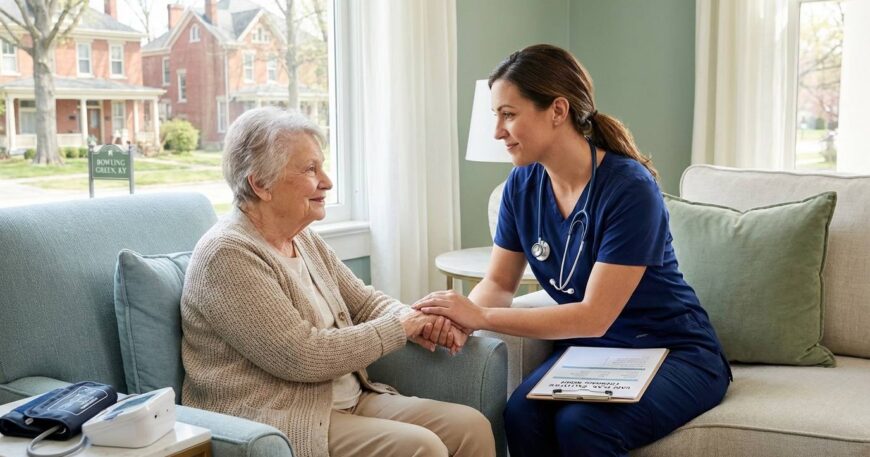
Harmonizing Health: Palliative and Chronic Care Management in Bowling Green, Kentucky

Living with a long-term illness is hard. Not just physically, but emotionally too. Between managing medications, keeping up with appointments, and trying to maintain some sense of normal life, it can feel overwhelming. That’s why more people are turning to Palliative Care and Chronic Care Management in Bowling Green, Kentucky, and honestly, it’s making a real difference. The shift here is simple but important: instead of waiting until something goes wrong and rushing to the ER, patients are getting consistent, ongoing support that keeps small problems from turning into big ones.
What is Chronic Care Management (CCM)?
If you’re dealing with two or more long-term conditions, say, diabetes alongside high blood pressure, or heart disease with arthritis, Chronic Care Management (CCM) is essentially your safety net between doctor visits. It keeps tabs on how your medications are working, tracks your symptoms over time, and makes sure your care team is actually communicating with each other.
That last part matters more than most people realize. Too often, a cardiologist doesn’t know what your primary care doctor prescribed, and vice versa. CCM, often coordinated through practices like Iris Medical Group, ties everything together so nothing falls through the cracks.
The Overlap: Where Palliative Care Meets CCM
People sometimes confuse palliative care with end-of-life care, but that’s a misconception. Palliative care is simply about making you feel better while you’re managing a serious illness, reducing pain, easing fatigue, addressing nausea, and handling the emotional weight that comes with chronic conditions.
When you pair it with Chronic Care Management, you get something really comprehensive. One side handles the clinical details: your blood sugar logs, your heart rate trends, your medication list. The other side handles how you’re actually feeling day to day. Together, they cover the full picture.
One of the biggest practical benefits? Avoiding “polypharmacy,” that dangerous situation where too many prescriptions from too many doctors start working against each other.
Why Bowling Green Families Prefer Home-Based Care
Bowling Green is growing fast, and getting around the city isn’t always easy, especially for anyone dealing with limited mobility or chronic pain. That’s a big reason why home-based care has become so popular here.
But it’s not just about convenience. There’s something uniquely valuable about a provider actually coming to your home. A 15-minute office visit tells a doctor very little. A home visit tells them everything, whether there are fall risks in the hallway, whether the kitchen has food that supports a heart-healthy diet, whether the patient is managing daily tasks without difficulty. That kind of real-world insight leads to treatment plans that actually fit someone’s life.
It also keeps people out of the hospital. Catching a warning sign early, like sudden weight gain in a heart failure patient, means adjusting a medication at home rather than making an emergency call at 2 AM.
And it’s not just the patient who benefits. Family caregivers often feel completely lost when a loved one has a serious illness. These services give them real education and emotional support, not just pamphlets. That peace of mind matters enormously.
Comprehensive Care for Modern Kentucky
Remote patient monitoring and telehealth have come a long way. Bowling Green residents can now access the kind of attentive, coordinated medical management that used to require frequent hospital trips, all from home. It’s a quiet revolution, but a meaningful one.
Conclusion
Managing a serious illness is hard enough without feeling like your healthcare is scattered and reactive. Palliative Care and Chronic Care Management in Bowling Green, Kentucky gives patients a steadier, more supported path forward, one where comfort matters and your care team is genuinely looking out for you, not just when things go wrong, but every single day. Because at the end of the day, the goal isn’t just to manage illness. It’s to help people actually live their lives.
