
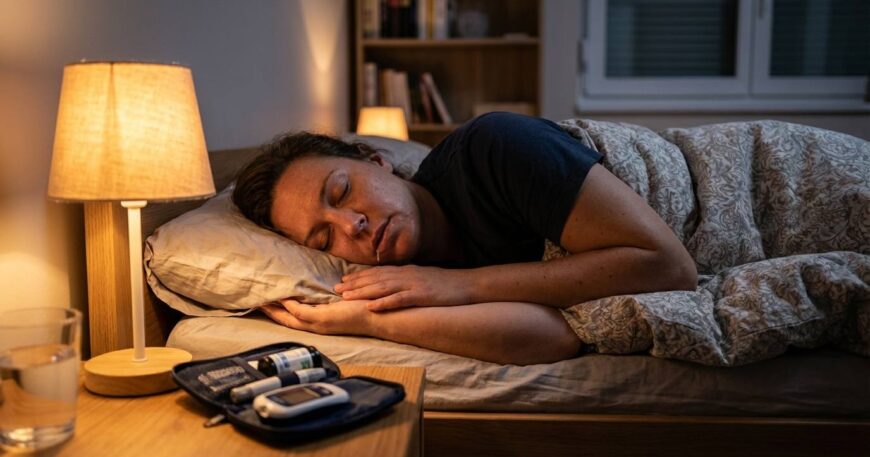
Is Drooling in Your Sleep a Sign of Diabetes? What Your Pillow is Trying to Tell You

Have you ever woken up to find a damp patch on your pillow and wondered if your body was trying to tell you something? It’s a common moment of late-night (or early-morning) anxiety: is this just a deep sleep, or could it be a symptom of a health condition like diabetes?
To put your mind at ease immediately: No, drooling in your sleep is not a direct or standard sign of diabetes. In fact, for most people, it’s actually a sign that your body is deeply relaxed and hitting those restorative sleep stages. However, while drooling itself isn’t a diagnostic symptom of diabetes, there are a few “hidden” ways the two can be connected through secondary complications like nerve damage or sleep apnea.
In this guide, we’ll break down why we drool, how it occasionally intersects with blood sugar health, and when you should actually transition from “pillow-flipping” to “doctor-calling.”
Why Do We Drool in Our Sleep? (The Non-Diabetes Reasons)
Before we look at medical conditions, let’s talk about the most common culprits. Saliva production is a 24/7 job for your body. During the day, you swallow it unconsciously. At night, things change.
1. Gravity and Your Sleep Position
If you sleep on your back, saliva generally pools at the back of your throat and triggers a natural swallow reflex. But if you’re a side or stomach sleeper, gravity takes over. Your mouth may naturally hang open, and the saliva simply follows the path of least resistance—right onto your pillowcase.
2. Deep REM Sleep
When you enter REM (Rapid Eye Movement) sleep, your body enters a state of temporary paralysis to prevent you from acting out your dreams. This includes the muscles in your jaw and throat. When these muscles are fully relaxed, you stop swallowing as frequently, and saliva can leak out. In this context, drooling is actually a sign of high-quality, deep sleep.
3. Nasal Congestion and Allergies
If your nose is stuffed up due to a cold or seasonal allergies, you’re forced to breathe through your mouth. Mouth breathing dries out the oral cavity, which can actually cause your salivary glands to overcompensate, leading to more fluid than usual.
The Subtle Connection: How Diabetes Could Play a Role
While drooling isn’t a primary symptom (like extreme thirst or frequent urination), uncontrolled diabetes can cause secondary issues that lead to nighttime drooling.
Autonomic Neuropathy (Nerve Damage)
Long-term high blood sugar can damage the nerves that control “automatic” body functions—this is called autonomic neuropathy. If the nerves controlling your salivary glands or your swallowing reflex (dysphagia) are affected, you might produce too much saliva or struggle to swallow it efficiently during sleep.
Sleep Apnea
There is a strong “circular” relationship between Type 2 diabetes and Obstructive Sleep Apnea (OSA). OSA causes you to stop breathing periodically during the night, often leading to gasping and mouth breathing. This mouth breathing is a major trigger for drooling. Research shows that a high percentage of people with Type 2 diabetes also struggle with sleep apnea.
Oral Health and Infections
High glucose levels can show up in your saliva, making your mouth a breeding ground for bacteria and yeast (like thrush). These infections can cause inflammation and soreness, which sometimes makes swallowing uncomfortable or difficult, leading to—you guessed it—more drooling.
Drooling vs. Dry Mouth: The Diabetes Paradox
Interestingly, the most common oral symptom of diabetes is actually the opposite of drooling: it’s Xerostomia, or dry mouth.
When blood sugar is high, the kidneys pull more fluid from the body to flush out the excess glucose, leading to dehydration. This usually leaves the mouth feeling like a desert. If you find yourself waking up with a parched throat but a wet pillow, it’s more likely a result of mouth breathing (perhaps due to sleep apnea) rather than the diabetes itself directly causing “excess” spit.
When Should You Be Concerned?
If you’ve always been a “drooler” and you feel well-rested, it’s likely just your unique sleep style. However, you should talk to a healthcare professional if the drooling is a new development and is accompanied by these actual “red flag” symptoms of diabetes:
-
Polydipsia: Excessive, unquenchable thirst.
-
Polyuria: Needing to urinate frequently, especially at night.
-
Unexplained Weight Loss: Dropping pounds without changing your diet or exercise.
-
Extreme Fatigue: Feeling exhausted even after a full night’s sleep.
-
Blurred Vision: Temporary changes in your eyesight.
-
Slow-Healing Sores: Cuts or bruises that take weeks to disappear.
| Symptom | Is it a Primary Sign of Diabetes? |
| Excessive Thirst | Yes (Major Sign) |
| Frequent Urination | Yes (Major Sign) |
| Drooling in Sleep | No (Usually Benign) |
| Dry Mouth | Yes (Common Side Effect) |
| Tingling in Hands/Feet | Yes (Nerve Damage) |
Simple Tips to Stop the “Slobber”
If you’re tired of waking up to a wet pillow, you can try these lifestyle adjustments:
-
Switch Your Position: Try sleeping on your back. This allows your throat muscles to better manage saliva flow.
-
Clear Your Sinuses: Use a saline spray or an evening antihistamine if allergies are keeping your nose blocked.
-
Check Your Meds: Some medications (including certain antidepressants or Alzheimer’s drugs) can increase saliva production.
-
Stay Hydrated: It sounds counterintuitive, but being well-hydrated prevents your mouth from getting “sticky” and overproducing thick saliva.
Conclusion
Drooling in your sleep is rarely a cause for medical alarm. It’s usually a byproduct of how you’re positioned or how deeply you’re dreaming. While it can be linked to diabetes-related issues like nerve damage or sleep apnea, it is almost never the first or only sign of the condition.
If you’re worried about your blood sugar, the best thing you can do is look at the “big picture” of your health. Are you thirstier than usual? Are you losing weight without trying? If the answer is no, you can probably just flip your pillow over and go back to sleep.
