
Tongue Taste Buds Swelling: What Causes It?

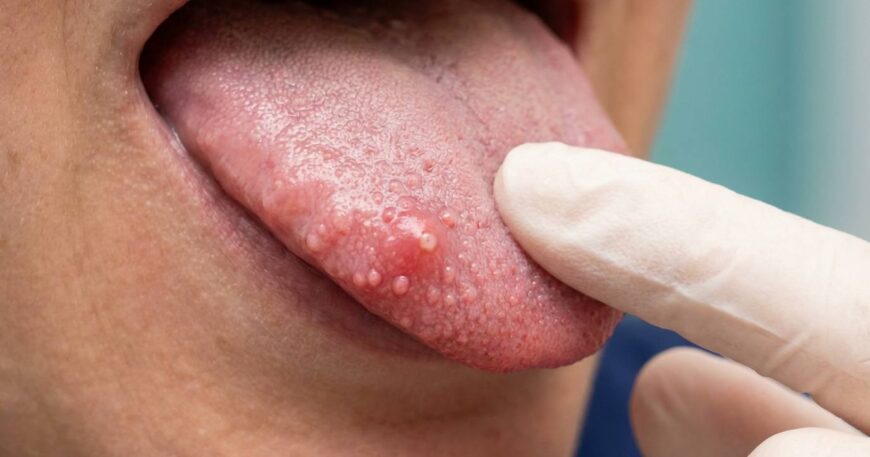
Swollen taste buds on the tongue usually happen because the tiny bumps (papillae) that house your taste receptors get irritated or injured. Common triggers include burning your tongue with very hot foods or drinks, eating spicy or acidic foods, poor oral hygiene (which allows germs to irritate the tongue), acid reflux (stomach acid splashing into the mouth), allergies or irritant chemicals, and even stress. For example, the Cleveland Clinic explains that taste buds often swell from simple causes like burning the tongue, spicy foods, dry mouth, or allergies – and even everyday stress can flare them up. In most cases these inflamed bumps are harmless and heal on their own in a few days. The rest of this article digs deeper into the many causes behind tongue taste buds swelling.
Swollen taste buds are simply inflamed papillae on the tongue. Normally you can’t feel or see them, but when they’re irritated they can turn red or white and hurt when you eat or drink. According to experts, these bumps are usually not dangerous – they’re just a sign that the tissue is reacting to something. Health sources note that swollen taste buds often heal quickly on their own. In other words, your tongue’s cells are constantly renewing, so minor bumps often disappear within days. But what exactly irritates the tongue enough to cause this inflammation? Below are the most common culprits:
-
Burns and Irritating Foods: Very hot foods or drinks can literally burn your tongue, inflaming the papillae. Similarly, eating extremely spicy foods (like hot peppers) or very acidic foods (like citrus fruits) can irritate and injure the taste buds. Even very cold items (ice pops, ice cream) can cause discomfort if they “freeze-burn” the tongue. When the surface of the tongue gets scalded or abraded, the affected taste buds often swell up in response.
-
Poor Oral Hygiene & Dry Mouth: Not brushing or flossing regularly lets bacteria and plaque build up on your tongue and teeth. These germs can irritate tongue tissues, leading to inflamed taste buds. Dry mouth (xerostomia) has a similar effect: without enough saliva to keep the tongue clean and moist, irritants linger and can inflame the papillae. Both Cleveland Clinic and other sources emphasize that poor mouth hygiene and dry conditions are frequent causes of taste bud swelling. Keeping your mouth clean and well-hydrated helps prevent this irritation.
-
Dental Appliances & Tongue Injury: Hard or sharp objects in your mouth can rub your tongue the wrong way. For example, braces, dentures, or rough fillings may constantly brush against your tongue’s surface. Even accidental bites or cuts from sharp foods can bruise a taste bud. This mechanical irritation causes a localized inflammatory reaction, so the papilla swells. In short, any injury or chronic rubbing of the tongue tissue can produce a painful bump.
-
Smoking and Alcohol: Tobacco smoke contains many chemicals that irritate the mouth’s tissues, including taste buds. Smokers often have swollen, discolored taste buds because of this constant chemical exposure. Smoking also contributes to dry mouth, compounding the problem. Alcohol (especially strong spirits) can similarly dry and burn the tongue if used excessively. Over time, these habits create an environment where tongue papillae flare up more easily.
-
Acid Reflux (GERD): If stomach acid frequently backs up into the esophagus (a condition called GERD), it can reach the mouth and burn the tongue’s surface. Both Cleveland Clinic and other experts note that chronic acid reflux is a known cause of taste bud inflammation. The acid irritates and injures the papillae, causing them to swell. If you notice your tongue bumps worsen when you have heartburn or a sour taste, reflux could be the trigger.
-
Allergies and Chemical Irritants: Some people have tongue reactions when certain foods, medications, or other substances touch their tongue. For example, an allergy to a food ingredient or a reaction to a harsh mouthwash can inflame the taste buds. Any chemical that strongly contacts the tongue (like certain dyes, mint extract in toothpaste, or even cinnamon flavoring) might cause redness and swelling. Allergic swelling is usually temporary and goes down after the offending substance is gone.
-
Infections: Viral or bacterial infections are common causes of tongue inflammation. When you have a cold, flu, strep throat, or even COVID-19, your body’s immune response can inflame oral tissues. Medical sources point out that infections like a sore throat often lead to swollen, sore taste buds as part of the generalized inflammation. A famous example is scarlet fever (from strep throat), which produces a bright red “strawberry tongue” with enlarged papillae. Even minor viruses (cold viruses, hand-foot-and-mouth disease, oral thrush) can cause painful bumps on the tongue while they’re active.
-
Vitamin and Mineral Deficiencies: Surprisingly, lacking certain nutrients can make your tongue more vulnerable. Deficiencies in B vitamins (especially B2, B3, B6, B12), iron, or zinc have been linked to tongue swelling and soreness. Without enough of these nutrients, the tongue lining can become inflamed with minimal provocation. Restoring proper nutrition often helps the tongue heal and prevents recurrent swelling.
-
Stress and Hormonal Factors: Chronic stress does more than affect your mood – it can influence inflammation throughout the body, including the mouth. Health experts note that being under stress is associated with swollen, enlarged tongue papillae. Hormone fluctuations (for example during menstrual cycles) might also play a role in some cases, though the exact link is not fully understood. In practice, many people notice tongue bumps flare up during high-stress periods.
-
Transient Lingual Papillitis (“Lie Bumps”): One specific but common cause is transient lingual papillitis (often called “lie bumps”). This is a benign condition where one or a few taste buds suddenly enlarge and become tender. Its exact cause isn’t known, but experts suggest it often starts with local irritation to a papilla. Possible triggers include stress, minor tongue injury, certain foods, or gastrointestinal upset. These bumps typically last only a day or two before disappearing on their own.
-
Medications and Radiation: Some prescription or over-the-counter medications can irritate the tongue. For example, very acidic pills or long-term use of certain mouth rinses might inflame papillae. In rare instances, radiation therapy to the head/neck area (for cancer treatment) can cause chronic dry mouth and tongue inflammation. These are less common causes but worth mentioning if nothing else explains the swelling.
-
Rare Causes (Oral Cancer): It’s uncommon, but very persistent tongue swelling can sometimes signal something serious like oral cancer. Medical articles note that a persistent lump or bump that doesn’t heal might warrant evaluation for cancer. Oral cancers can cause swelling on the sides or top of the tongue. However, this is rare. Most swollen taste buds are not cancerous and resolve with time. Still, doctors advise seeing a professional if tongue bumps last more than two weeks or are accompanied by other worrisome signs.
Conclusion:
Every day irritation is usually to blame when your tongue taste buds swell. Fortunately, the tongue’s cells turn over quickly, so minor bumps often heal in a few days. But if the swelling persists or you’re concerned, a medical check can rule out serious issues. Overall, simple causes like those above – not anything dangerous – explain most cases of tongue taste bud swelling.
