
Wisdom Teeth Removal Anesthesia: Everything You Need to Know

If you’re preparing to have your wisdom teeth out, anesthesia will keep you comfortable and pain-free. In simple terms, anesthesia means medicine to block pain or make you relaxed during the extraction. In most cases, dentists use a local anesthetic (a shot of numbing medicine) around your wisdom tooth. This injection numbs the tooth area so you feel no pain at all during removal. In fact, a specialist guide explains that “local anesthetic is the most common choice” for wisdom tooth surgery, although other options like IV sedation or even general anesthesia can be used if needed. So in the first few minutes, your mouth is numbed and you’ll feel pressure but no pain.
Types of Anesthesia
Anesthesia for wisdom teeth comes in a few types:
-
Local anesthesia: You get a shot (like Novocaine) in the gum around the tooth. Within a couple of minutes your jaw and lip go numb. The dentist can then remove the tooth without you feeling pain. You’ll stay awake and may hear sounds or feel pressure (pushing and pulling), but it won’t hurt. This is a very safe method and most people recover quickly. As the British surgical association notes, the injection “means that you will feel no pain” during the extraction.
-
Sedation (twilight sleep): If you’re nervous or having multiple teeth out, your dentist might also give a sedative. There are several sedation options:
-
Laughing gas (nitrous oxide): This is a mild gas you breathe through a mask. You stay awake but feel calm and lightheaded. The gas starts working in minutes and wears off soon after the procedure. It helps take the edge off anxiety. Dentists often combine nitrous oxide with local numbing. According to one dental source, nitrous oxide makes patients “remain conscious but at ease” and it’s considered very safe.
-
Oral sedation: Sometimes a pill (like a sedative) is given before the appointment. It makes you drowsy and relaxed. You’ll still respond to commands but probably won’t remember much. (This is usually used together with local numbing.)
-
IV sedation: This “twilight” or moderate sedation is delivered through a vein. You’ll drift in and out of sleep but aren’t fully unconscious. IV sedation is stronger than laughing gas – you’ll likely have little or no memory of the procedure. Many patients wake up feeling like no time passed at all. Oral surgeons use IV sedation so you’re extremely relaxed and feel no pain, yet can still be roused if needed.
-
-
General anesthesia: This is full sleep, like you would have in an operation. You won’t be conscious or remember anything. General anesthesia is rarely used for wisdom teeth, but it might be recommended in special cases. For example, if the teeth are severely impacted, the Mount Sinai surgeons say they “may recommend intravenous sedation or general anesthesia due to the difficulty of the extractions”. In general anesthesia, medications (by IV or mask) put you fully to sleep, and you wake up afterward as if you’re waking up from a deep nap. It’s typically only used for very difficult surgeries or if a patient’s anxiety is extremely high.
What Happens During Local Anesthesia
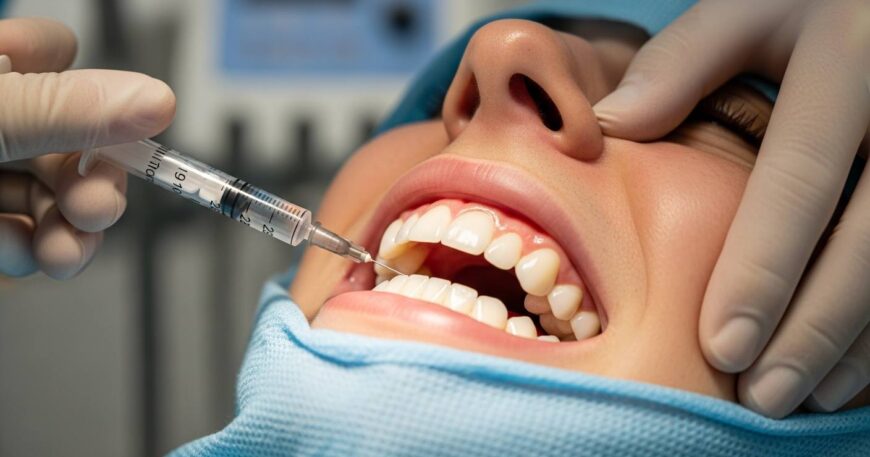
When you get local anesthesia, the dentist will swab your gum with a numbing gel and then give a small injection near the tooth root. You’ll feel a quick pinch, and then the numbness spreads. After a couple of minutes your cheek and jaw on that side will feel heavy and tingly, like they’re “asleep.” At that point, the extraction begins. You may hear tools and feel pressure or movement, but you won’t feel the pain of cutting or lifting the tooth. Many dentists recommend this for straightforward wisdom teeth. A Sacramento dental office explains that local numbing lets you stay “conscious and aware,” which can be reassuring if you’re not comfortable with deeper sedation. One advantage is quick recovery: once the shot wears off in a few hours, you can usually go home and even drive yourself safely afterward.
Local anesthesia has very few side effects. Almost everyone tolerates it well. In rare cases, someone might feel dizzy or have a brief tingling as the shot goes in. Allergic reactions are uncommon. But your dentist will check your health history first and use the right medicines for you. Overall, the process is routine: you lie back, your mouth is numbed, and the dentist does the work quietly. Most patients say they feel no pain during a locally anesthetized wisdom tooth removal.
When local anesthesia isn’t enough or you’re very anxious, sedation can be added. Laughing gas (nitrous oxide) makes you feel happy and relaxed, but you stay awake. Intravenous (IV) sedation puts you into a twilight sleep – you may slur words or briefly doze off, and often don’t remember the procedure afterward. Dentists and oral surgeons carefully monitor your breathing and vitals during sedation, so you’re kept safe. A Colgate article explains that IV sedation “alters the patient’s state of consciousness” – you might doze and have little memory of the surgery.
General Anesthesia (Full Sleep)
In general anesthesia, special drugs make you completely unconscious. This is more than twilight sleep: you’re in deep sleep under the care of an anesthesiologist or trained provider. For wisdom tooth surgery, general anesthesia is rarely needed unless the case is complex. For example, if the teeth are impacted tightly or if you have very severe anxiety, your doctor may suggest it. Under general anesthesia, you won’t feel anything or remember it. When you wake up, the teeth will be gone, and the extraction will feel like a distant memory.
Because general anesthesia affects your whole body, the recovery is a bit longer. Your coordination and reaction time will be slow for a day. Most surgeons say not to drive or sign important papers for at least 24–48 hours after general anesthesia. The upside is zero awareness of the procedure: it’s as if you blinked and all the teeth are gone. Dentists ensure safety by checking your heart rate and breathing during surgery. If you have general anesthesia in a hospital or surgery center, they’ll keep you overnight or for several hours to watch you fully wake up.

Preparing for Anesthesia
Before surgery, your dental team will ask about your health, medications, and allergies. Safety first: they want to be sure you’re healthy enough for anesthesia. If you’re getting sedation or general anesthesia, you’ll need to fast (no food or drink) for several hours before the appointment. Always follow the instructions—these prevent complications like nausea.
Plan to have someone drive you home if you’ve had any sedation beyond local numbing. Nitrous oxide usually wears off quickly so you might drive yourself afterward, but IV or general anesthesia require a ride. It’s smart to rest for the rest of the day and have soft foods ready. Because you may still feel groggy, avoid alcohol or important tasks for the rest of the day. In fact, one source advises avoiding alcohol or heavy decisions for 48 hours after general anesthesia.
Recovering Comfortably
After the surgery, your mouth will likely be numb for a few hours. Take it easy as the feeling returns. You can usually sip cool water or juice once home. Dentists typically send patients home with pain medication and instructions to reduce swelling (like using ice packs). Keep your head propped up on pillows and avoid using straws (they can dislodge the healing clot). If you had sedation, you may feel tired or a bit sick for the rest of the day. A driving tip: do not drive for at least 24 hours if you had IV sedation. Patients often report an easier recovery if they rest, use ice on the cheek, and follow the dentist’s aftercare advice.
Ask your dentist any questions before you leave. A helpful tip is to prepare a list of concerns: for example, you might ask what type of anesthesia the doctor plans to use, or what risks to expect. Trust that the dental team will choose the safest option for you. As one oral health source explains, “there’s no single best answer” – the choice depends on your specific case, pain tolerance, and anxiety level. Your dentist or oral surgeon has the training to give you the right anesthesia and monitor you throughout.
Making the Right Choice
In the end, wisdom teeth removal anesthesia is tailored to you. Most adults have it done under local anesthesia, sometimes with laughter gas or mild sedation for calmness. If you’re very nervous or if the extraction is difficult, your doctor may suggest stronger sedation or sleep. Communication is key: tell your dentist how anxious you are, share your medical history, and ask questions. This lets them pick the best method and help you feel comfortable. Remember, their goal is the same as yours: a safe, painless procedure so you can get back to normal quickly.
Having your wisdom teeth removed can be intimidating, but with the right anesthesia you’ll barely notice it. From numbing shots that work like magic to gentle sedation or sleep, modern dentistry ensures you won’t feel the pain. Stay relaxed and trust your team – before you know it, those troublesome teeth will be history and you’ll be smiling again, thank goodness for anesthesia!
