
What Does Dry Socket Feel Like?

After a tooth extraction, most people expect some soreness. Dry socket – a complication when the healing blood clot is lost – feels far worse than the usual ache. It causes severe, throbbing pain right at the extraction site, often radiating outward into your jaw, ear, temple or neck. The pain usually starts a day or two after the tooth is gone, not immediately, and instead of easing it intensifies over time. In addition to the pain, you may notice a foul odor or bad taste in your mouth and an empty-looking socket where the tooth was. In short, dry socket pain is sharp and relentless – much worse than typical post-extraction soreness.
-
Severe, throbbing pain: A deep, pounding ache centered on the extraction site that feels much stronger than normal healing pain.
-
Radiating discomfort: The ache often shoots out from the socket toward your jaw, ear, eye or temple on the same side of your face. It can feel like a spreading nerve pain.
-
Worsening pain: Unlike normal recovery, where soreness improves each day, dry socket pain often grows more intense over a few days. This can keep you awake at night and make simple tasks (like eating or talking) very painful.
-
Foul taste or smell: Exposed bone and bacteria in the empty socket often cause a bad odor and bitter taste in the mouth. You might notice a constant unpleasant mouth taste that doesn’t go away with brushing.
-
Empty, whitish socket: If you look carefully (in a mirror or feel gently with clean gauze), the socket may look unusually empty or dry. Instead of a dark blood clot, you may see a whitish layer or even visible bone at the bottom of the hole.
Dry socket feels unlike any normal toothache or extraction pain. Normally, the body forms a protective blood clot in the socket after a tooth is pulled, which feels like a tender scab and helps cover the nerves. With a dry socket, that clot is gone too soon, exposing the underlying bone and nerve endings. Dentists explain that this exposed bone is why dry socket pain can be so intense: as Mayo Clinic notes, “intense pain happens when the underlying bone and nerves are exposed,” sending pain through the face. Many patients describe it as a sharp, burning or throbbing sensation that no amount of swishing or easy diet will relieve.
Severe, Throbbing Pain
The hallmark of dry socket is the depth and quality of the pain. It’s not just a mild ache – it’s often described as a throbbing, hammering pain that feels deep in the jaw. This ache may feel constant or pulse with every heartbeat. Cleveland Clinic lists “mouth or facial pain” and “radiating nerve pain from your jaw to your head and neck” as key symptoms. In other words, the pain might start at the socket and spread outward. Chewing or even brushing nearby teeth can suddenly jolt the pain into a stabbing or shooting sensation.
Unlike the soreness you get right after a tooth is removed (which tends to diminish each day), dry socket pain doesn’t ease on its own. In fact, Medical News Today points out that with a dry socket the pain often improves at first but then worsens. So you might have felt okay on day 1 or 2, and then by day 3 the pain explodes in intensity. This sudden spike in pain is a red flag: normal healing pains are gradually subsiding by then, not getting worse.
Pain That Radiates
Dry socket pain often travels beyond the extraction site. Patients frequently report that the discomfort shoots toward their ear, eye or temple on the same side of the face. For example, wisdom tooth dry sockets commonly cause earache-like or temple-throbbing pain because of the way the nerves connect. Some people feel pain up into the side of their head or even neck. Mayo Clinic confirms this pattern: one symptom is “pain that spreads from the socket to your ear, eye, temple or neck on the same side”.
This spreading pain can make the experience feel like a severe toothache taken to the next level. It may start locally at the back of your jaw but quickly shoot upward. When lying down or at night, the pain can feel even worse and prevent sleep. (In fact, dentists often warn that dry socket pain can be so bad it “keeps you up at night”.)
Foul Taste and Odor
A very noticeable sign of dry socket is an unpleasant smell or taste in the mouth. Because the socket is open and the clot is gone, bacteria and food debris can collect in the wound. Mayo Clinic notes that bad breath or a foul odor from the mouth is a common symptom. Similarly, Medical News Today’s comparison chart highlights “unpleasant taste in the mouth” and “unpleasant smells coming from the wound” as specific clues that a dry socket has formed.
You might literally taste bitterness, saltiness, or a foul metallic tang where the tooth was. This is often one of the first things people notice when they have dry socket. Brushing and rinsing won’t fully clear the smell, because the source is deep in the socket. In short, if you suddenly notice a lingering sour taste and stinky breath after a tooth pull, think “dry socket.”
Empty Socket and Exposed Bone
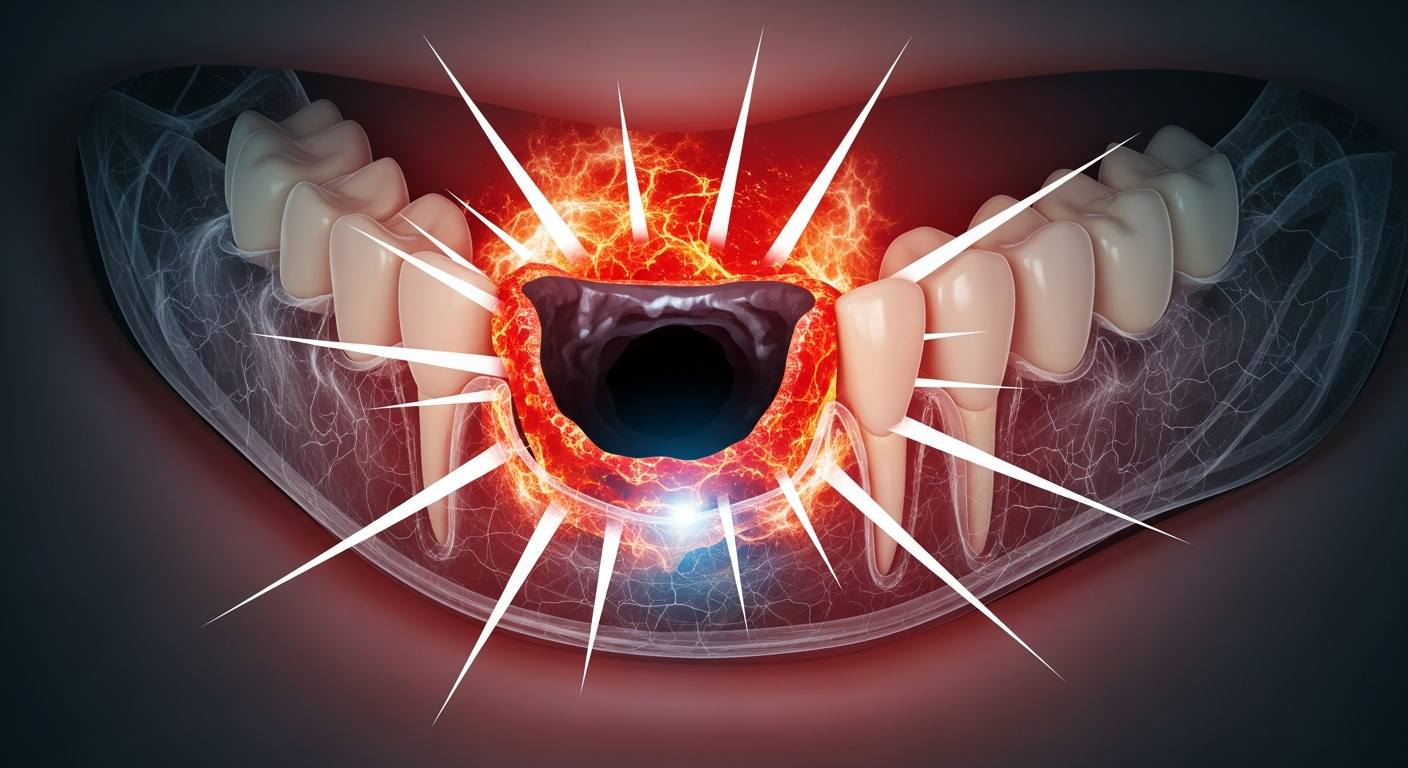
Visually (or by gentle feeling), a dry socket looks very different than a normal healing socket. Normally the socket is covered by a dark, protective blood clot. In a dry socket, that clot is missing or very small. You may see a clean, pale hole. Often the bone at the bottom of the socket becomes visible as a white or yellowish patch.
Cleveland Clinic describes it simply: “A dry socket looks like an empty hole where your tooth was, with a whitish layer at the bottom. That white part? It’s exposed bone.”. In other words, where a healthy socket has a squishy clot, the dry socket appears dry and open. Food particles can even get trapped in it and irritate the raw bone. This exposed bone is extremely sensitive, which is why even breathing over the area can hurt. In the diagram below, you can see the difference (normal clot on the left versus an empty dry socket on the right):
Why It Hurts So Much
Simply put, exposed nerves and bone hurt badly. The blood clot that normally fills the socket acts like a biological bandage. When it’s absent, the bone underneath is not only unprotected but also constantly irritated by saliva, air, and debris. Mayo Clinic points out that “intense pain happens when the underlying bone and nerves are exposed.” Because of this, dry socket pain feels deeper and more severe than the muscle/jaw ache of a routine extraction.
Another key difference is how the pain responds to medication. Normal extraction pain usually improves with over-the-counter painkillers, but dry socket pain often does not fully go away with common pain relievers. If you find that Tylenol or ibuprofen barely dulls the ache, that’s another clue you might have dry socket.
When to Seek Help
A dry socket is an emergency compared to normal healing. If you identify the symptoms above – especially the severe radiating pain and bad taste – don’t wait. Cleveland Clinic advises letting your dentist know if pain “keeps you up at night or doesn’t improve with medication”. Similarly, if new or worsening pain appears a few days after the extraction, it’s important to get checked. Dry socket is treatable, but it won’t heal until addressed by your dentist. In the meantime, keep taking any prescribed pain medicine and avoid disturbing the socket further.
Despite how awful it feels, the good news is dry sockets do heal with proper care. According to Cleveland Clinic, most dry sockets resolve within about a week once treated, and prompt treatment can relieve pain faster. But the key is recognizing the symptoms early. In summary, if your post-extraction pain is unusually severe, radiating, and accompanied by a bad taste or visible empty socket, treat it as dry socket and contact your dentist right away.
