

What Are Three Things You Could Do if You Were Asked to Become an Advocate for Health and Wellness?

If someone asks you to become a health and wellness advocate, there are three powerful things you can do right away. First, educate others and raise awareness about healthy living – share facts and tips in simple, engaging ways. Second, lead by example – live healthily yourself and volunteer to support others in your community. Third, push for broader change by speaking up for policies and programs that make healthy choices easier for everyone. The World Health Organization notes that health advocacy involves actions to gain “political commitment, policy support [and] social acceptance” for better health. By combining education, personal example, and advocacy, you address both individual habits and the bigger systems that shape community well-being.
Educate Others and Raise Awareness
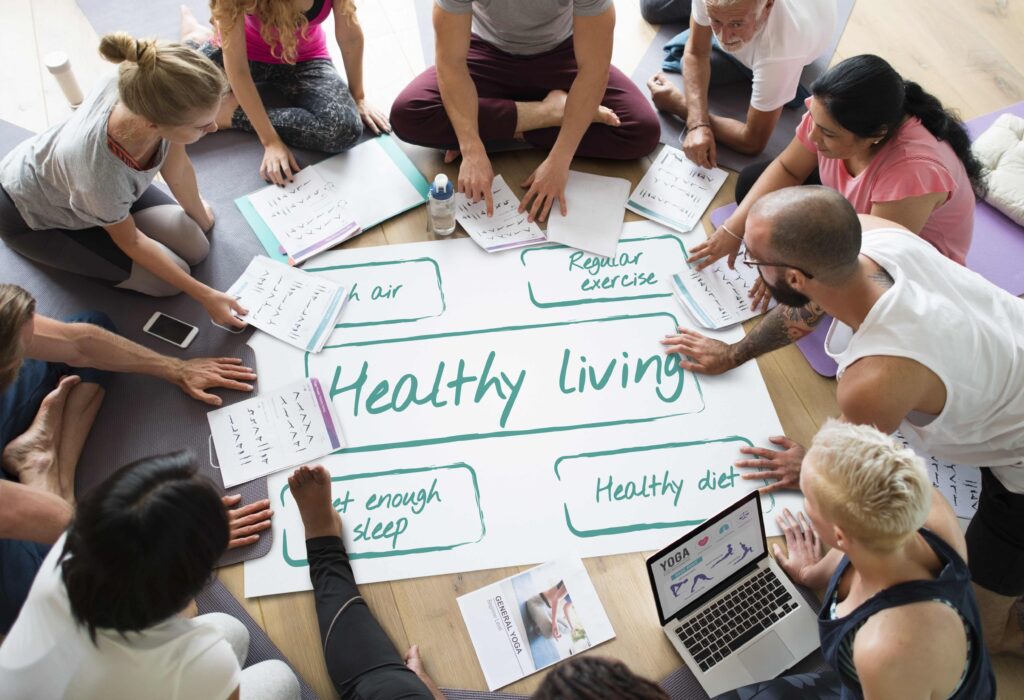
Teaching people about health is a great place to start. The American Public Health Association explains that health promotion means strong health education for individuals and communities. You might learn about nutrition, exercise, or mental health, and then share that information in fun, easy-to-understand ways. For example:
- Host workshops or info sessions. Invite a small group at school or online for a short talk on eating well or managing stress. Use slides or hands-on demos (like making a simple healthy snack) to make it interactive.
- Use social media and posters. Create a quick video or a colorful flyer showing 5 healthy foods, how much water to drink, or a one-week workout plan. Tulane University notes that advocates should “raise awareness of health-related issues in a community” and “provide education on issues that affect the community’s health”. Simple messages like “five fruits a day” or “take the stairs” can really stick.
- Share real stories and tips. Tell friends or write on a neighborhood page about how you choose a healthy lunch or deal with exam stress. When people see practical, friendly advice, they often listen and learn new ideas.
By educating in this way, you give people the knowledge they need. Even small workshops or social posts can spark big changes in habits over time.
Lead by Example and Engage Others
It’s one thing to talk about health, but living it makes you a real role model. As Aaptiv magazine puts it, “walk the walk” – model the wellness behaviors you want to inspire. For example, invite a friend on your morning jog or show off a salad you cooked. When people see you taking care of yourself – stretching at your desk, prioritizing breaks, or cooking healthy meals – it empowers them to try too.
- Practice what you preach. Share your own healthy routine openly. If you run, tell people how it energizes you; if you meditate, invite a buddy to join. This shows that fitness and good nutrition are doable (and fun) for regular people.
- Volunteer locally. Many health advocates start as volunteers. Tulane notes that community health advocates often work as unpaid volunteers driven by passion. You could help at a free clinic, coach a youth sports team, organize a neighborhood cleanup, or hand out water at a charity walk. Volunteering gives hands-on help and shows you care.
- Be the “healthy friend.” Suggest group activities like bike rides, park yoga, or cooking classes. Encourage coworkers to use the stairs or pack lunch together. These simple actions make a difference – people notice your healthy choices and might follow your lead.
By living healthily and serving your community, you don’t just tell people what to do – you show them. Your actions speak louder than words, and other might think, “If they can do it, maybe I can too.”
Advocate for Positive Change
Education and example help individuals, but you can also change the bigger picture. Advocacy means speaking up so your whole community becomes healthier. WHO emphasizes that health advocacy uses media campaigns, community mobilization, and even political lobbying to support health goals. Here’s how you can help:
- Talk to leaders. Attend a town hall, write a letter, or meet with school officials to suggest healthy ideas – like more playgrounds, bike lanes, or salad bars in cafeterias. When you raise concerns (for instance, asking for safer sidewalks so families can walk), officials hear what real people need.
- Use media and events. Organize a community health fair or start a social media group for local wellness tips. Tulane highlights that effective outreach can be through “town hall meetings, advertising campaigns on radio, TV, and social media”. You might make a short video series on local health resources, or put up posters about an upcoming blood drive. Teaming up with churches, schools or radio stations can spread your message wider.
- Join or form a health group. Gather friends or neighbors who care about wellness. Together, you can support policies like healthier food options in stores, taxes on sugary drinks, or funding for exercise programs. The WHO notes that health professionals (and passionate citizens) should act as advocates at “all levels in society” Even being part of a school wellness committee or a city task force gives you a louder voice to push for change.
Through these actions, you’re making healthy choices easier for everyone. You’re not only teaching and inspiring, but also changing rules and environments – from workplace cultures to public policies – so that well-being becomes a community norm.
By educating others, modeling a healthy lifestyle, and pushing for supportive policies, you’ll truly fulfill the role of a health and wellness advocate. These steps – grounded in public health principles – ensure you help at both the personal and community level. Remember, every bit helps: sharing one tip, leading one activity, or speaking up at one meeting can contribute to a much healthier community over time.
